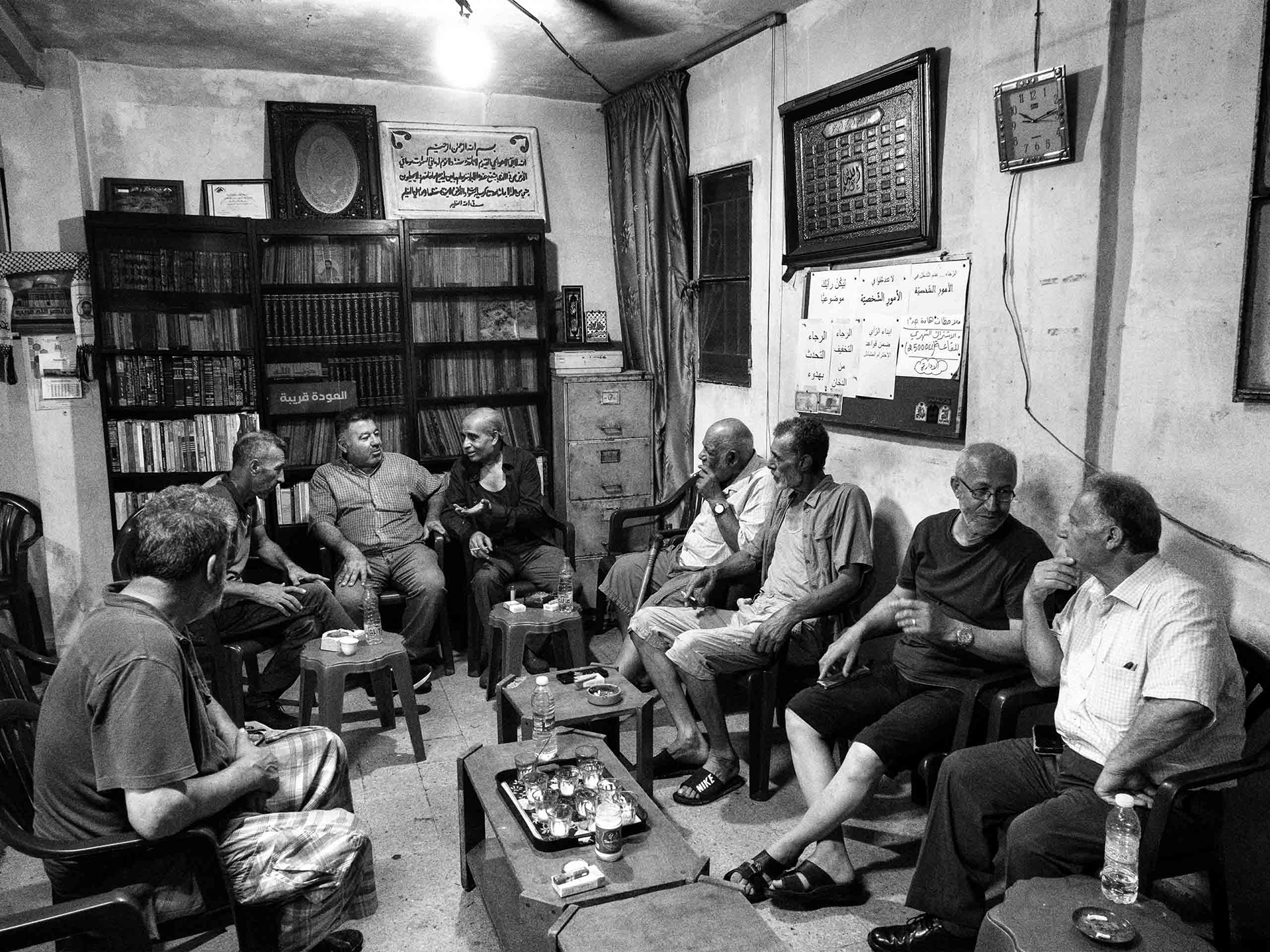
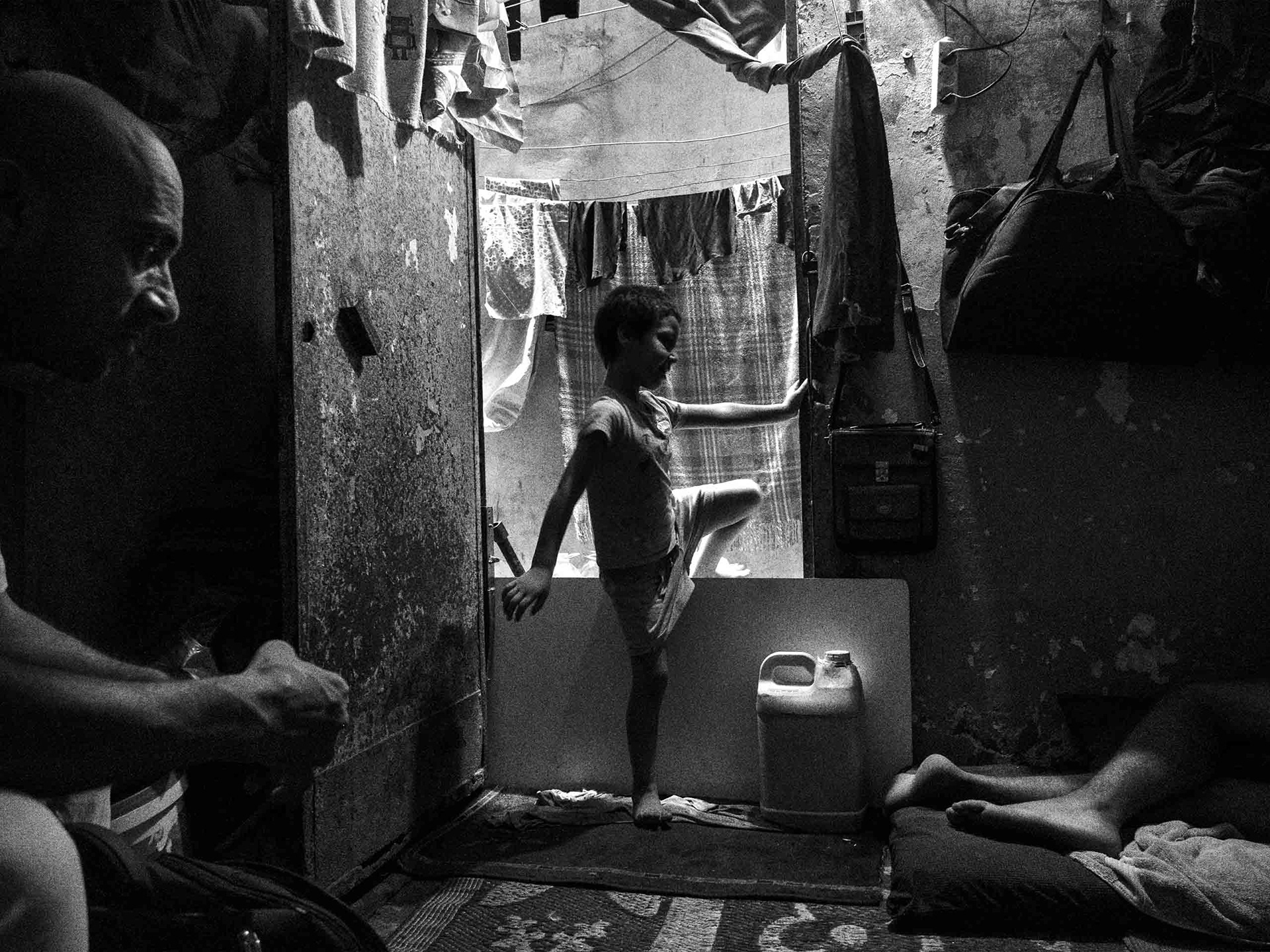
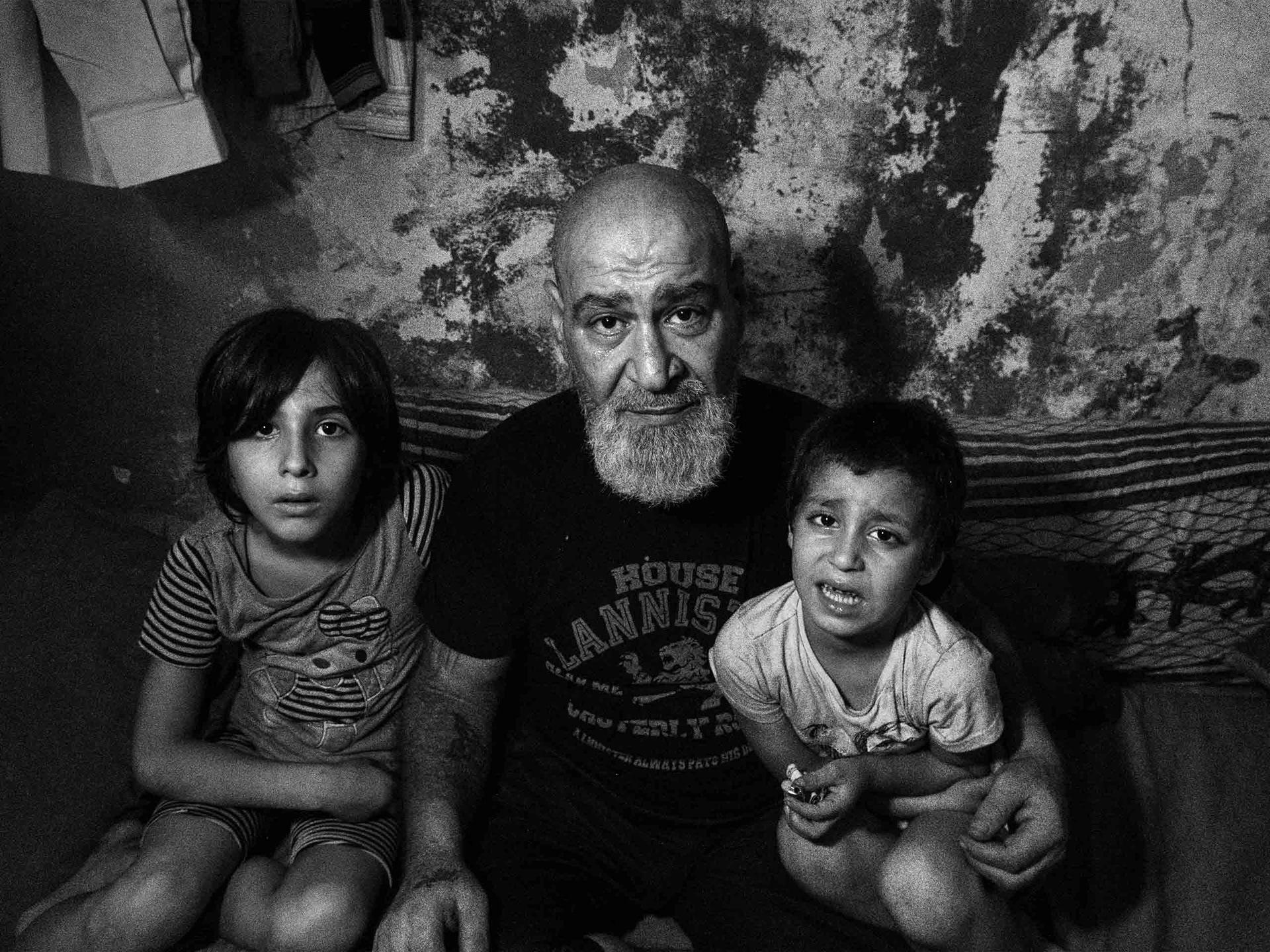
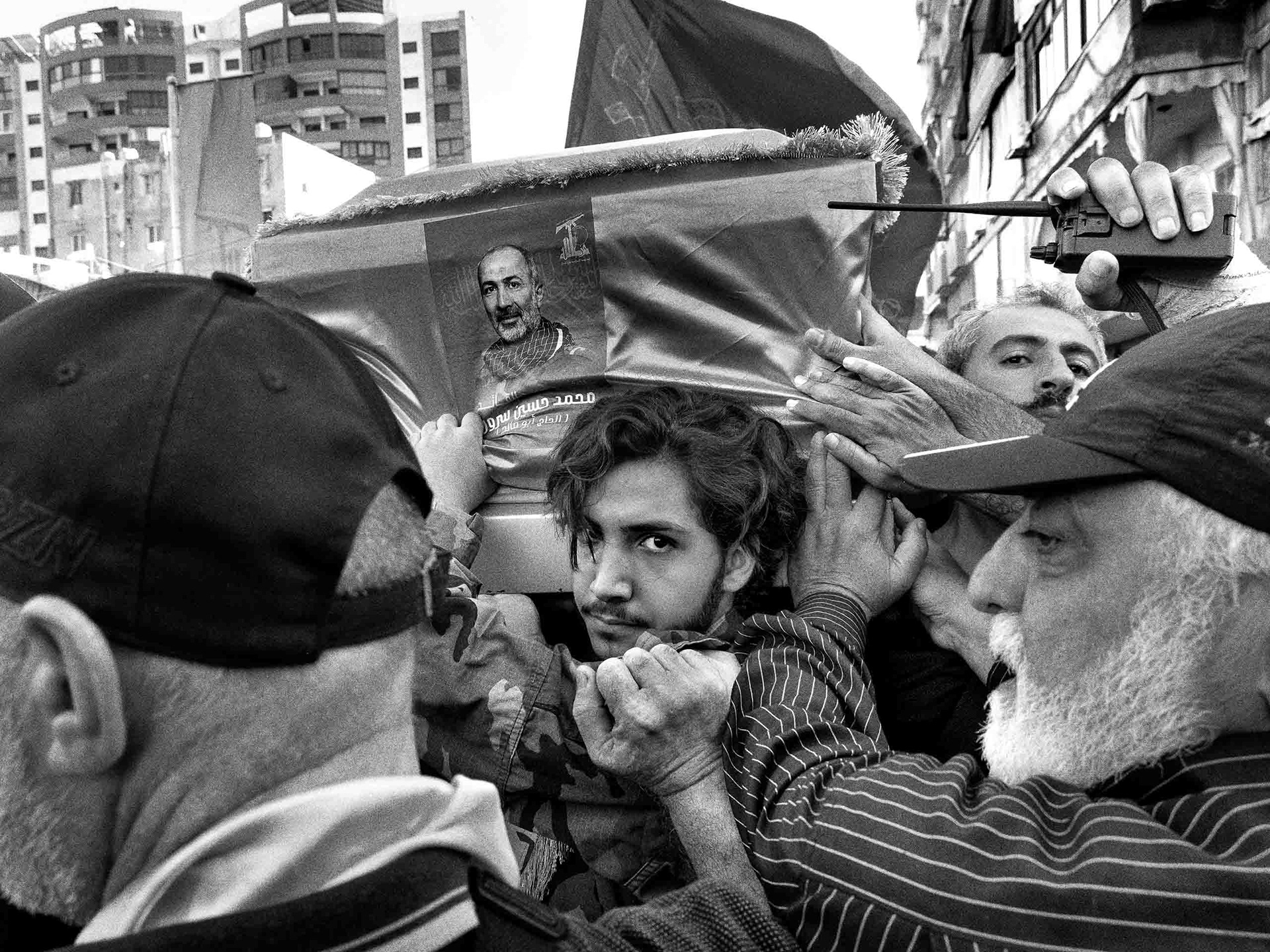
Since 2023, the project has been observing Lebanon as a space of friction and contact, where geopolitics is directly inscribed onto the lives of communities and inhabited territories.
The work follows the lines of the borders, in places where war is not silent, but reveals itself in its most immediate and tangible form: where fear is close, and where military and civilian presence share the same space.
Following the escalation after October 7, 2023, the conflict between Israel and Hezbollah reactivated Lebanon’s southern frontier. In autumn 2024, the bombings on Beirut and the killing of Hassan Nasrallah accelerated the collapse of the urban and social fabric, causing mass displacement and the destruction of entire neighborhoods.
Lebanon thus emerges as a territory where history, war, and everyday life continue to overlap within the same physical and symbolic landscape.
The work continues as an open-ended inquiry into the country, following the slow transformations of territories and communities, in an attempt to portray a Lebanon that changes while resisting, remaining suspended within the tensions of the present.
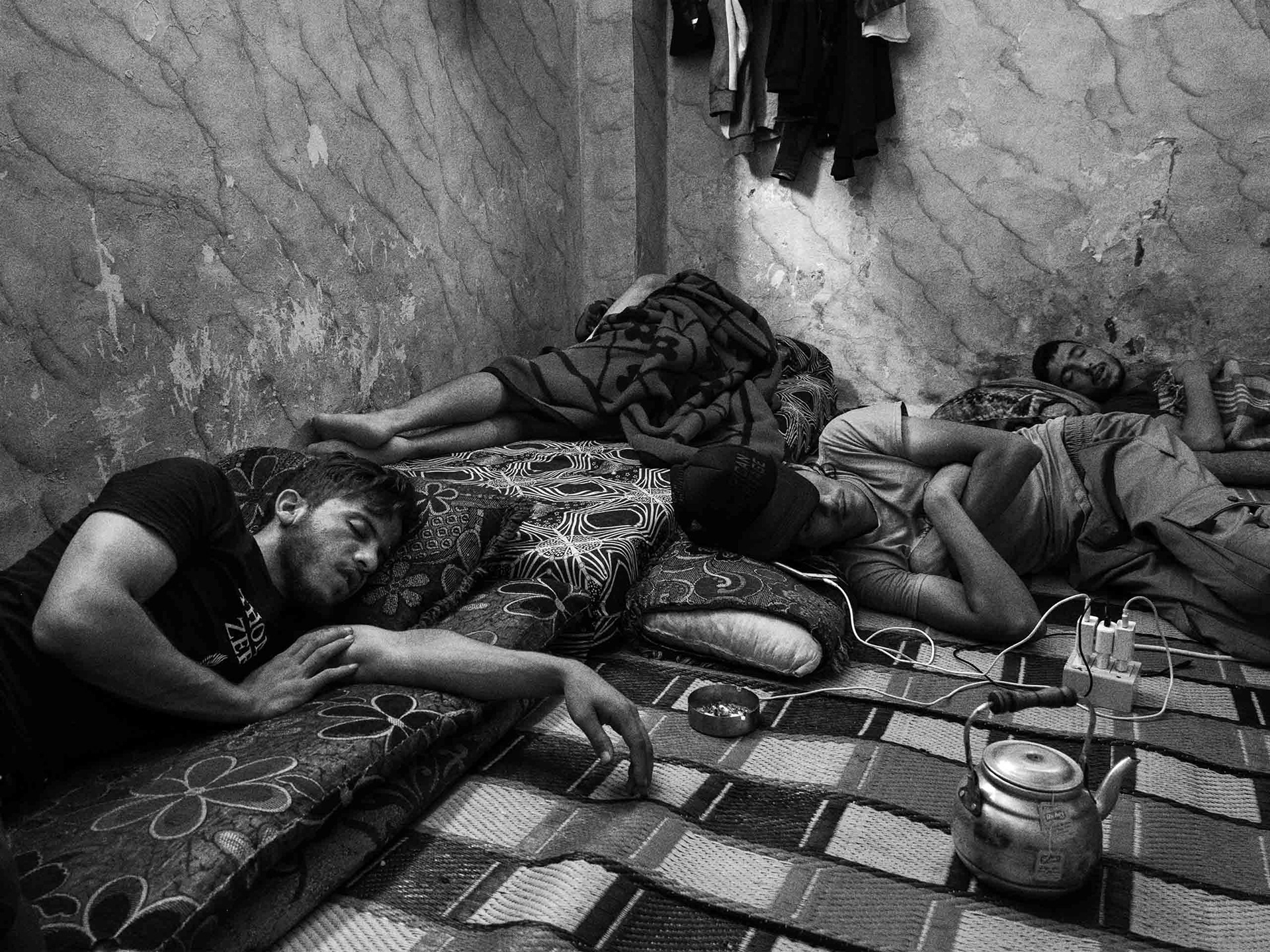
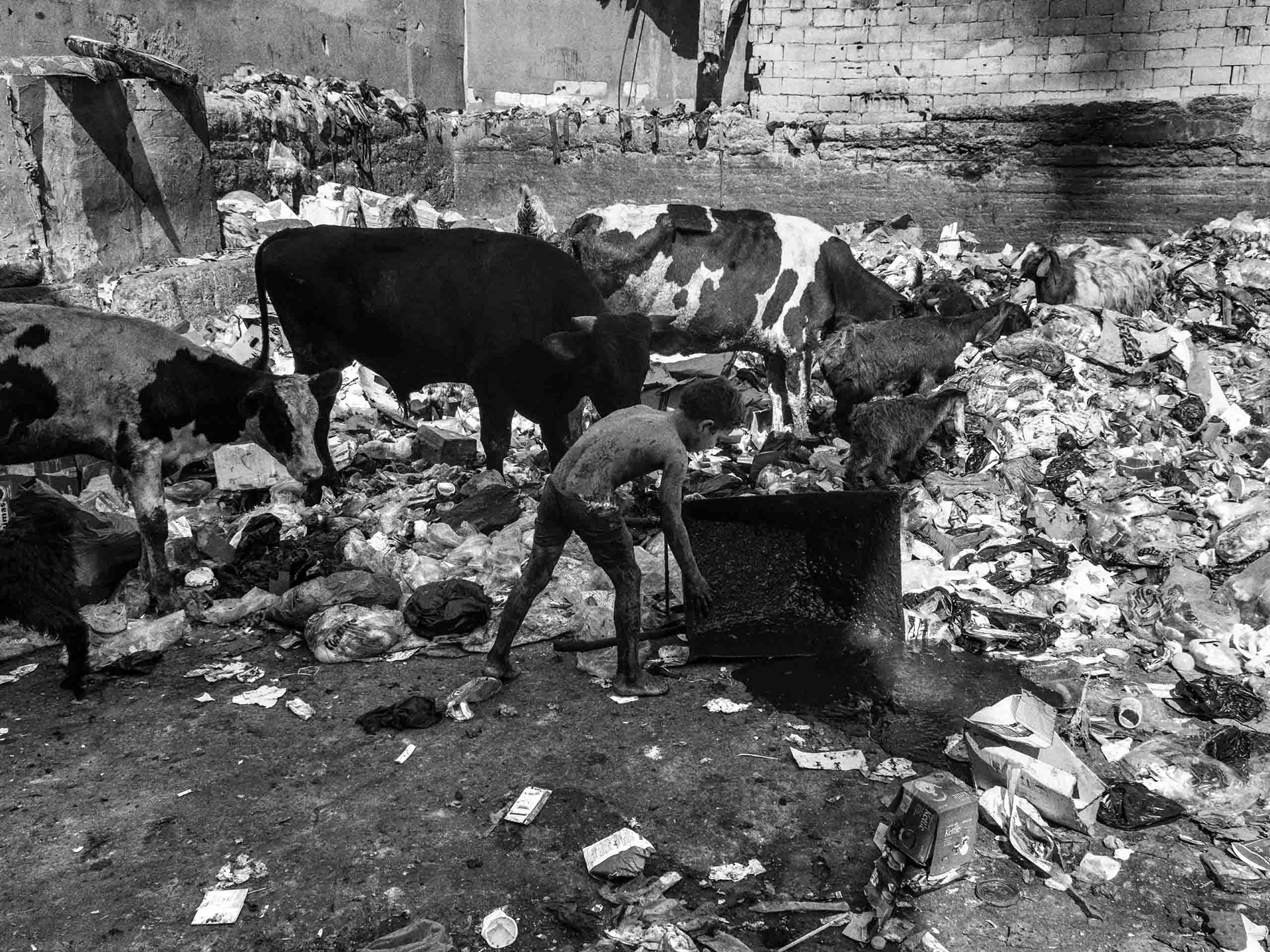
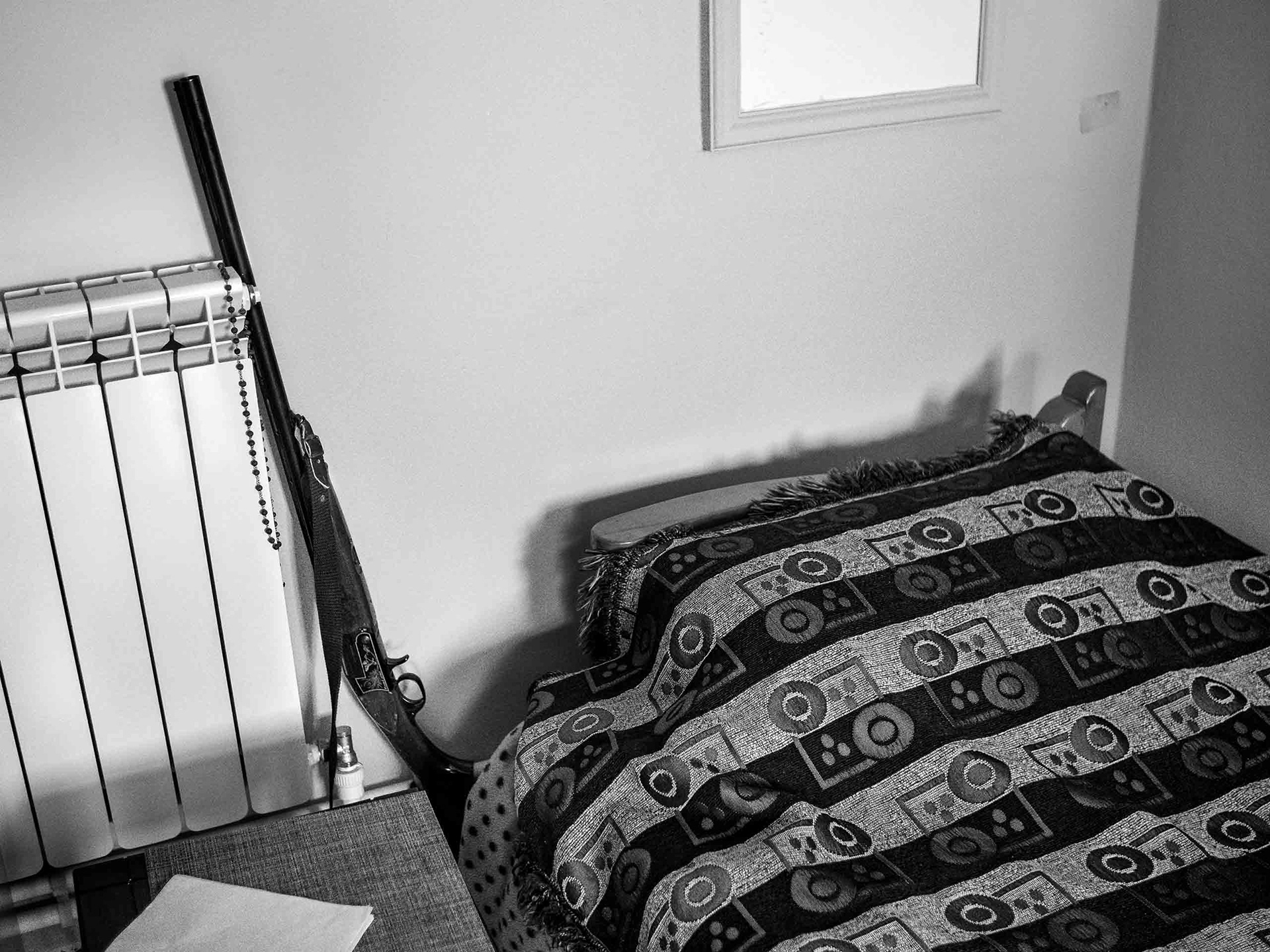
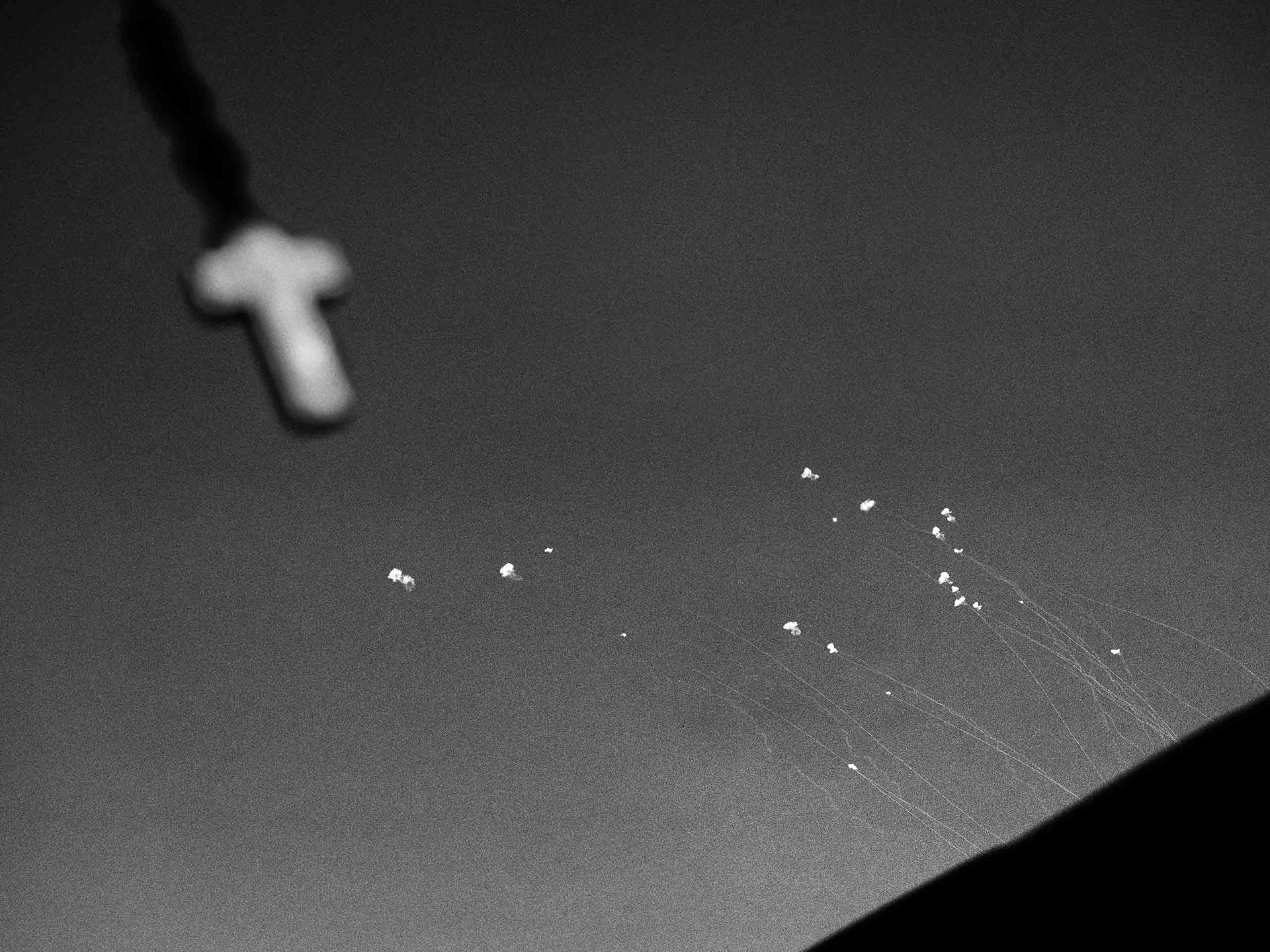
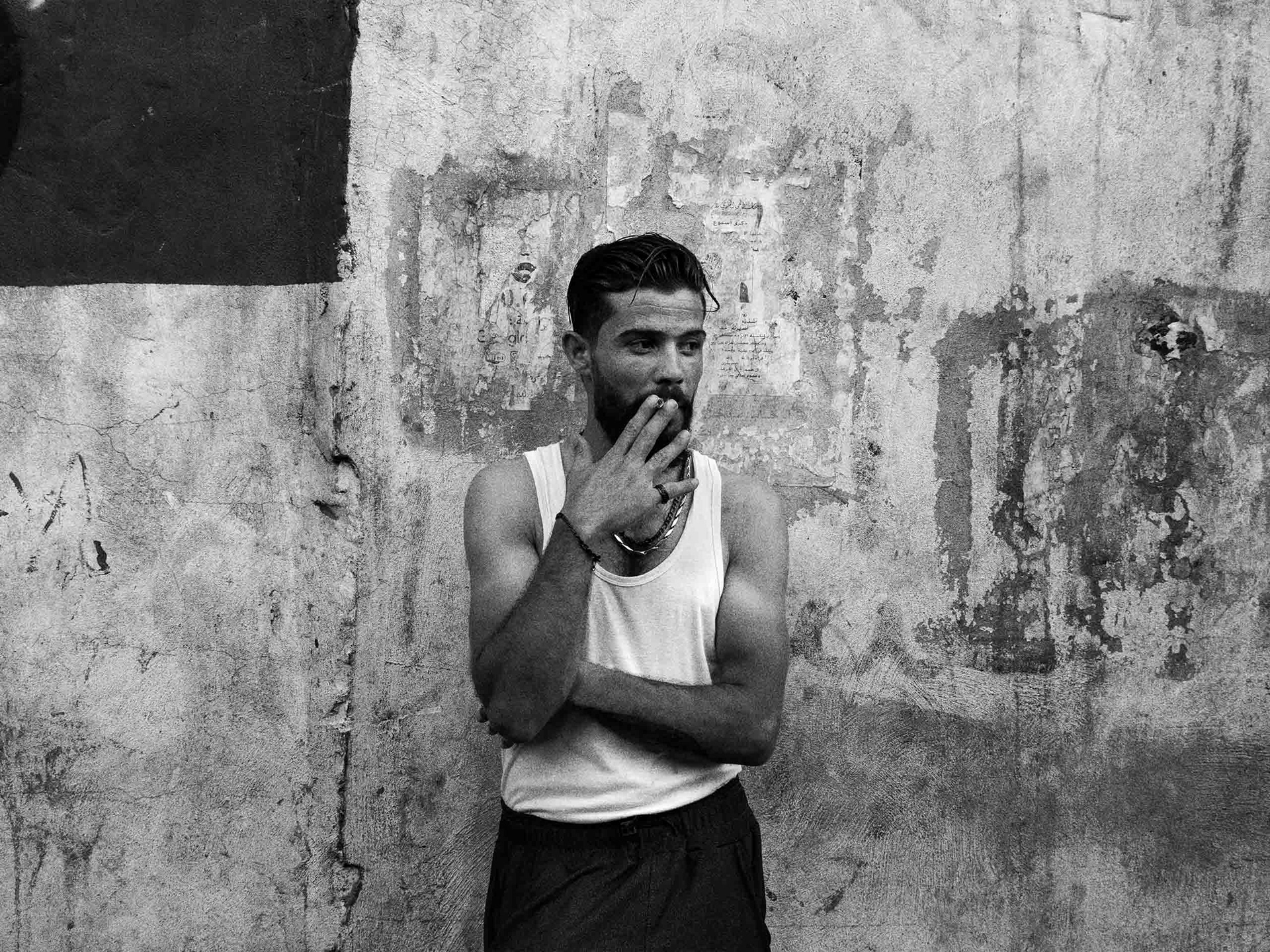
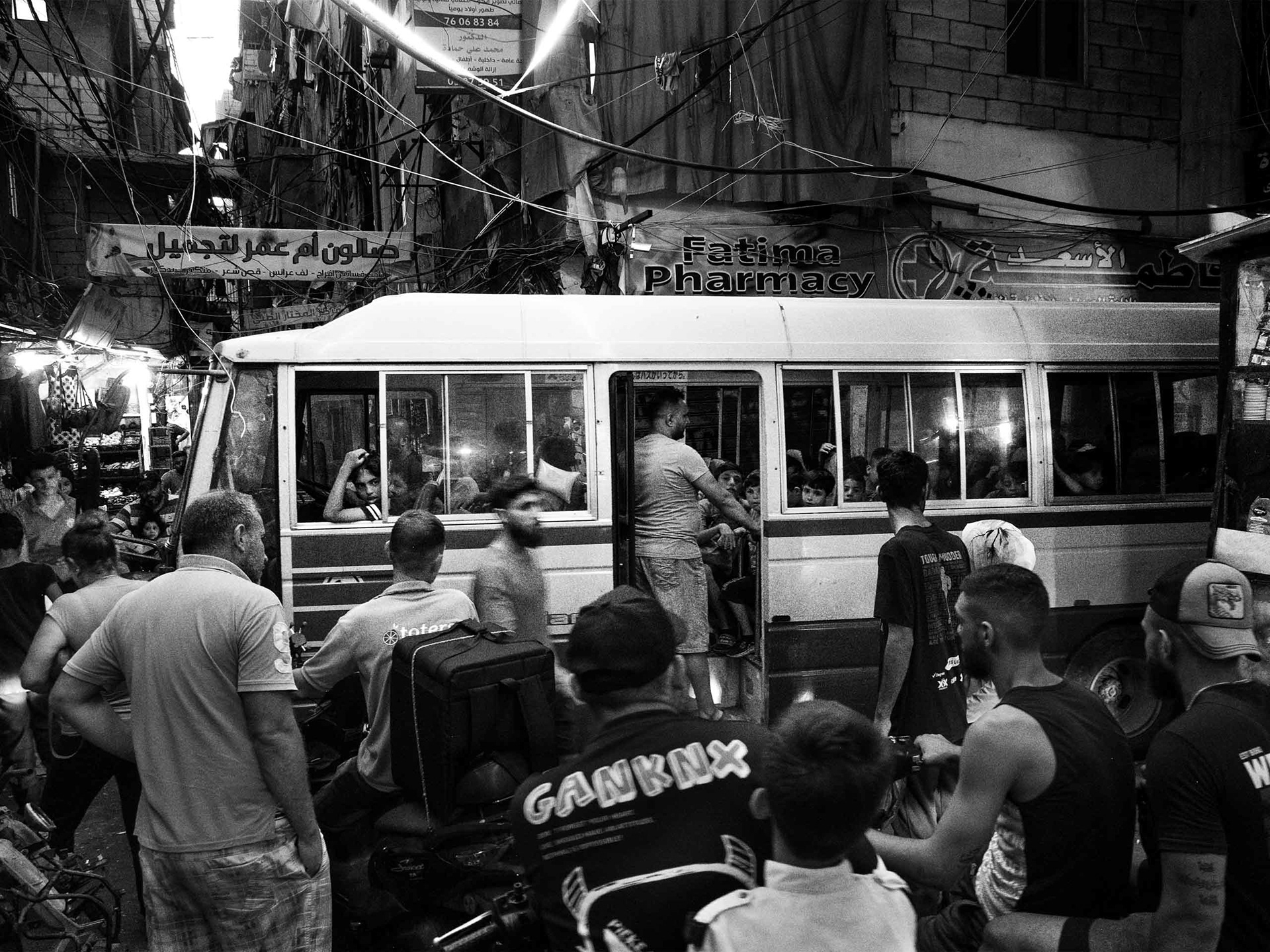
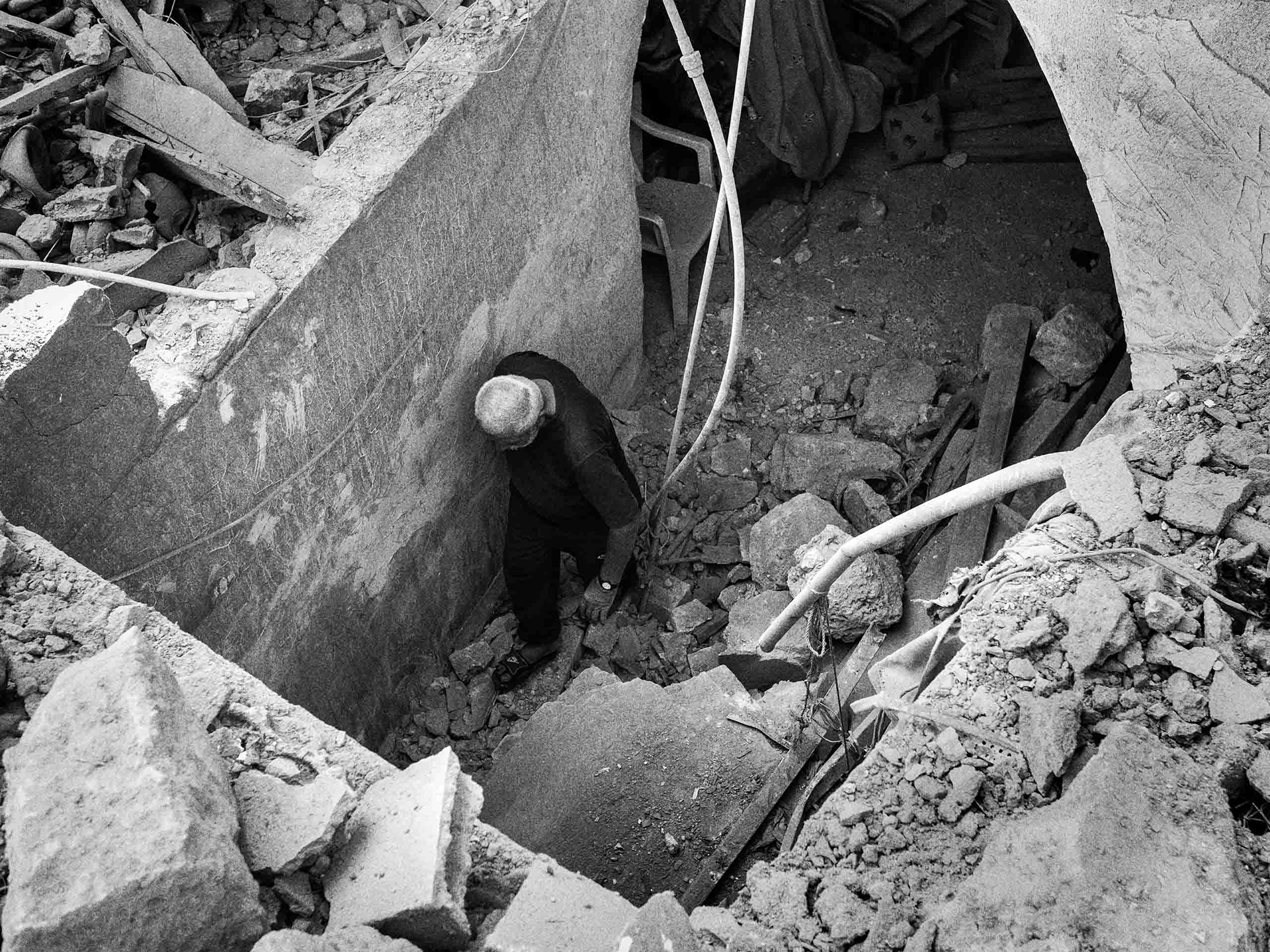
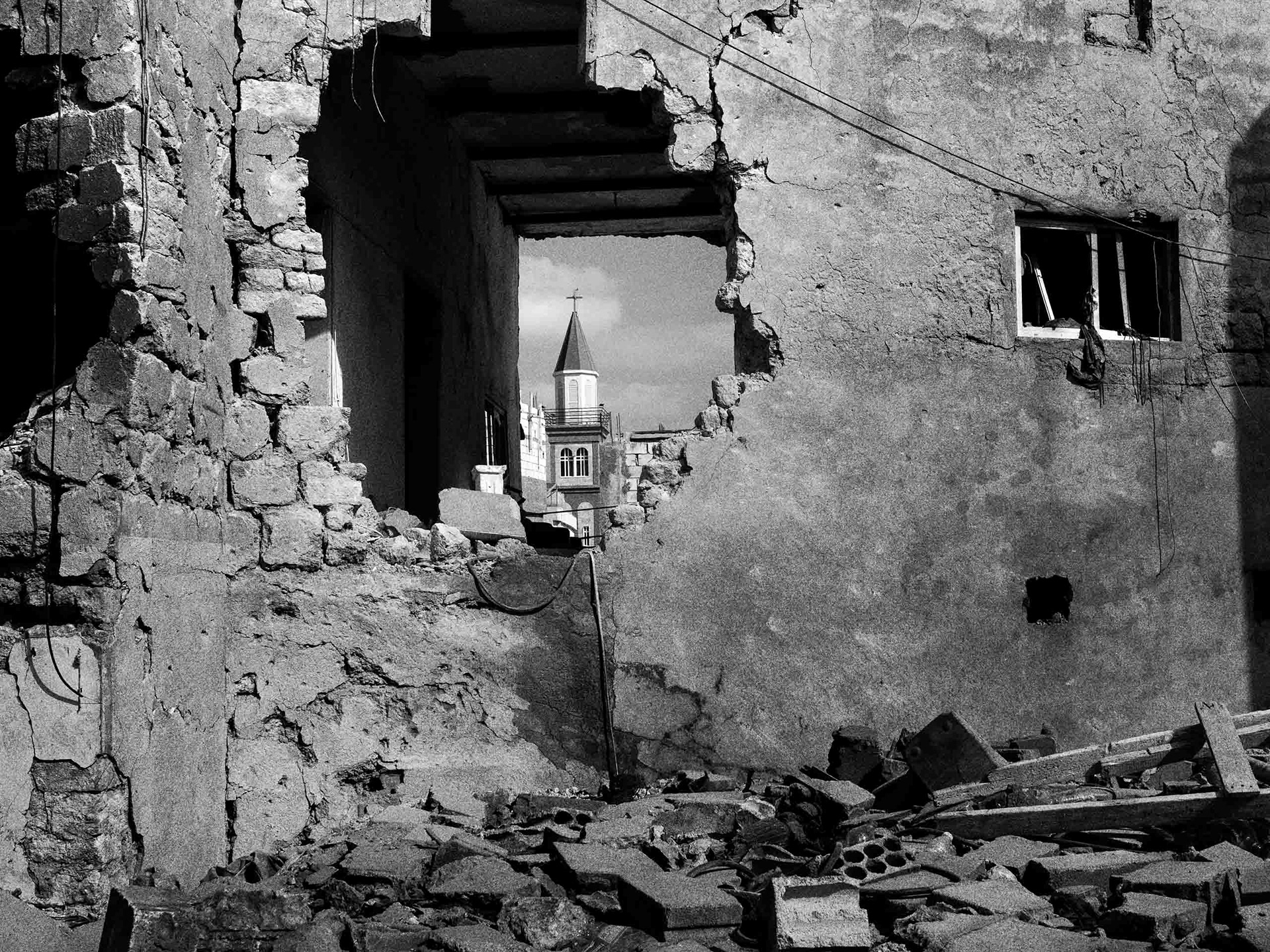
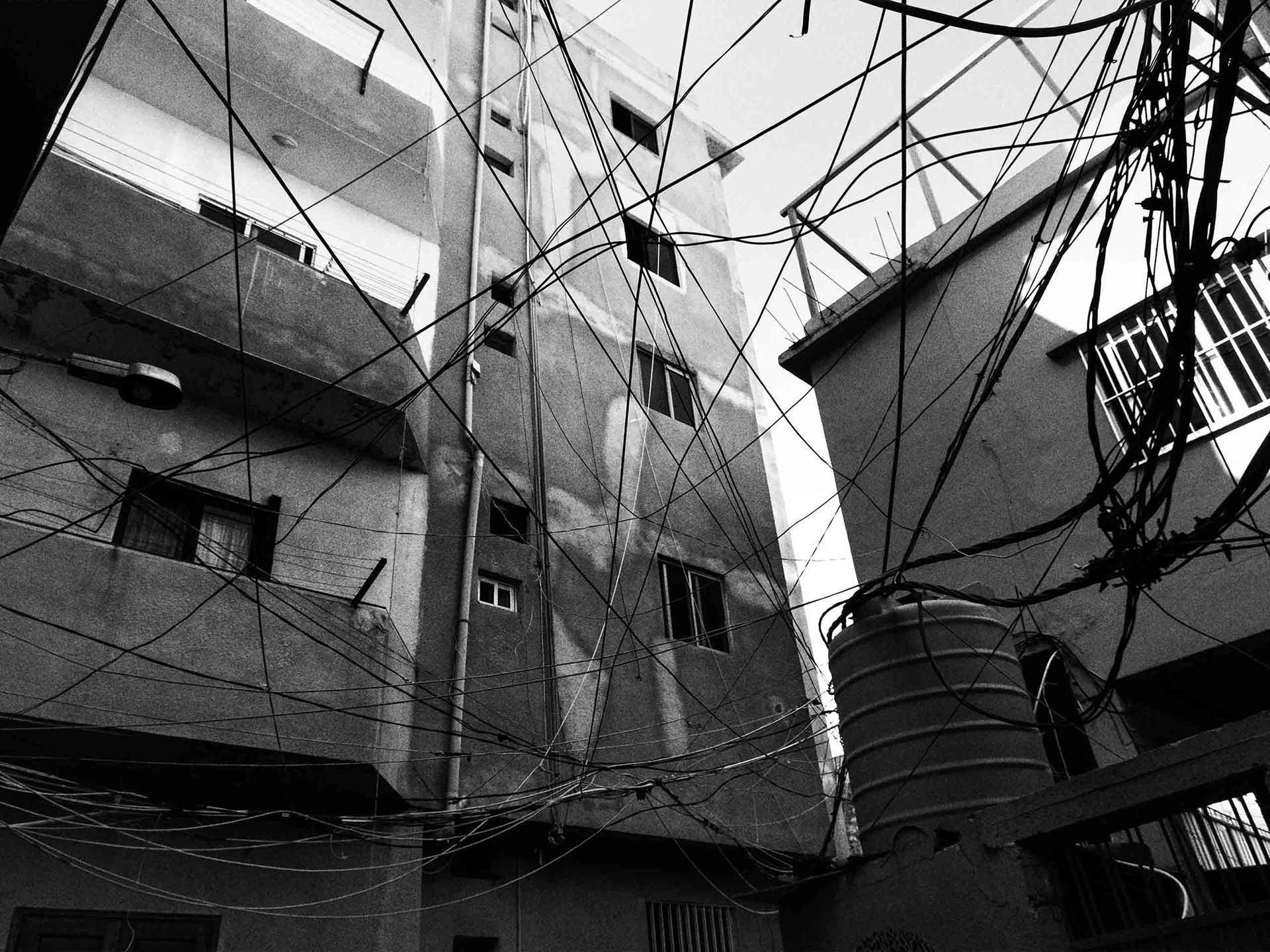
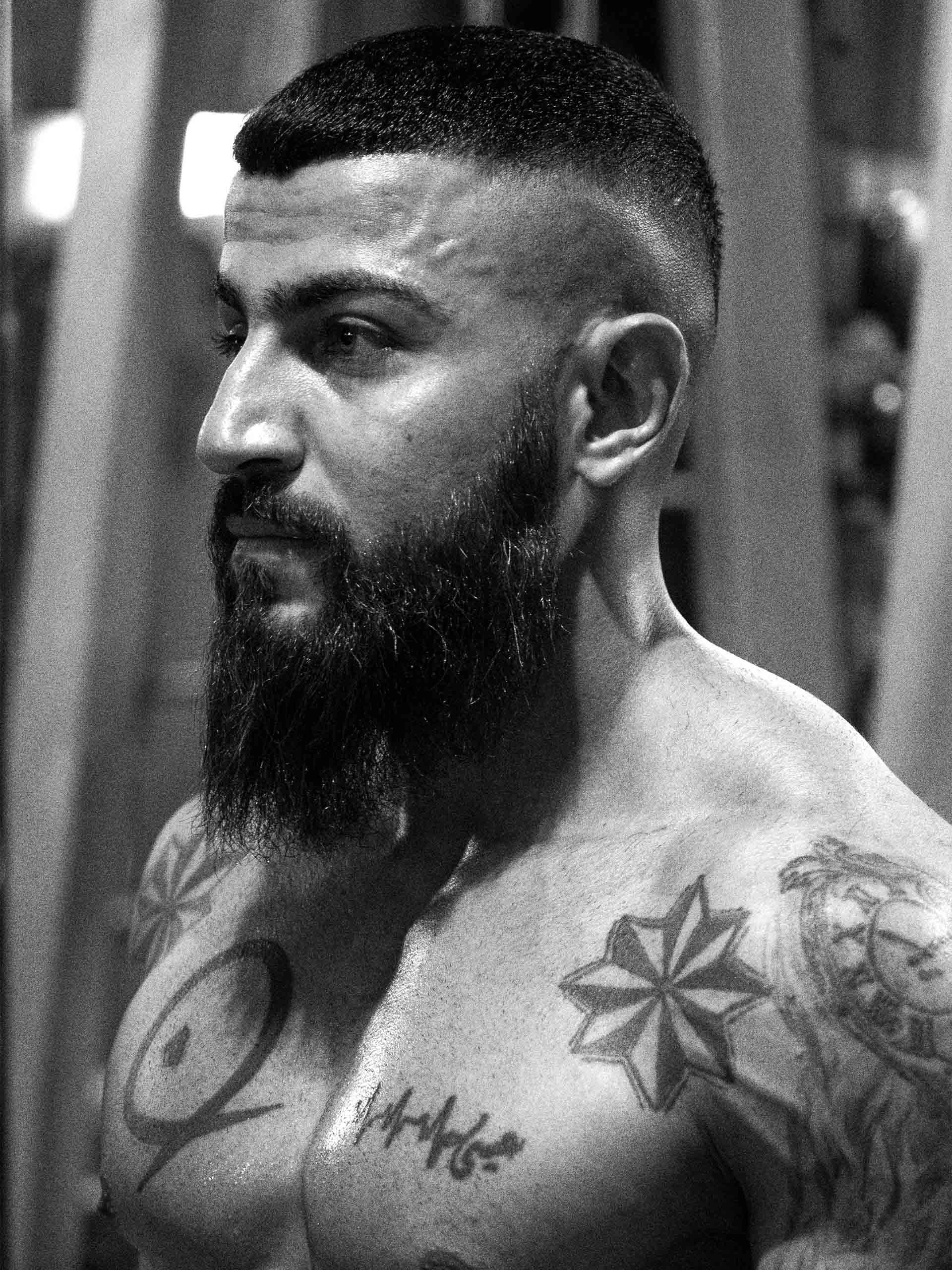
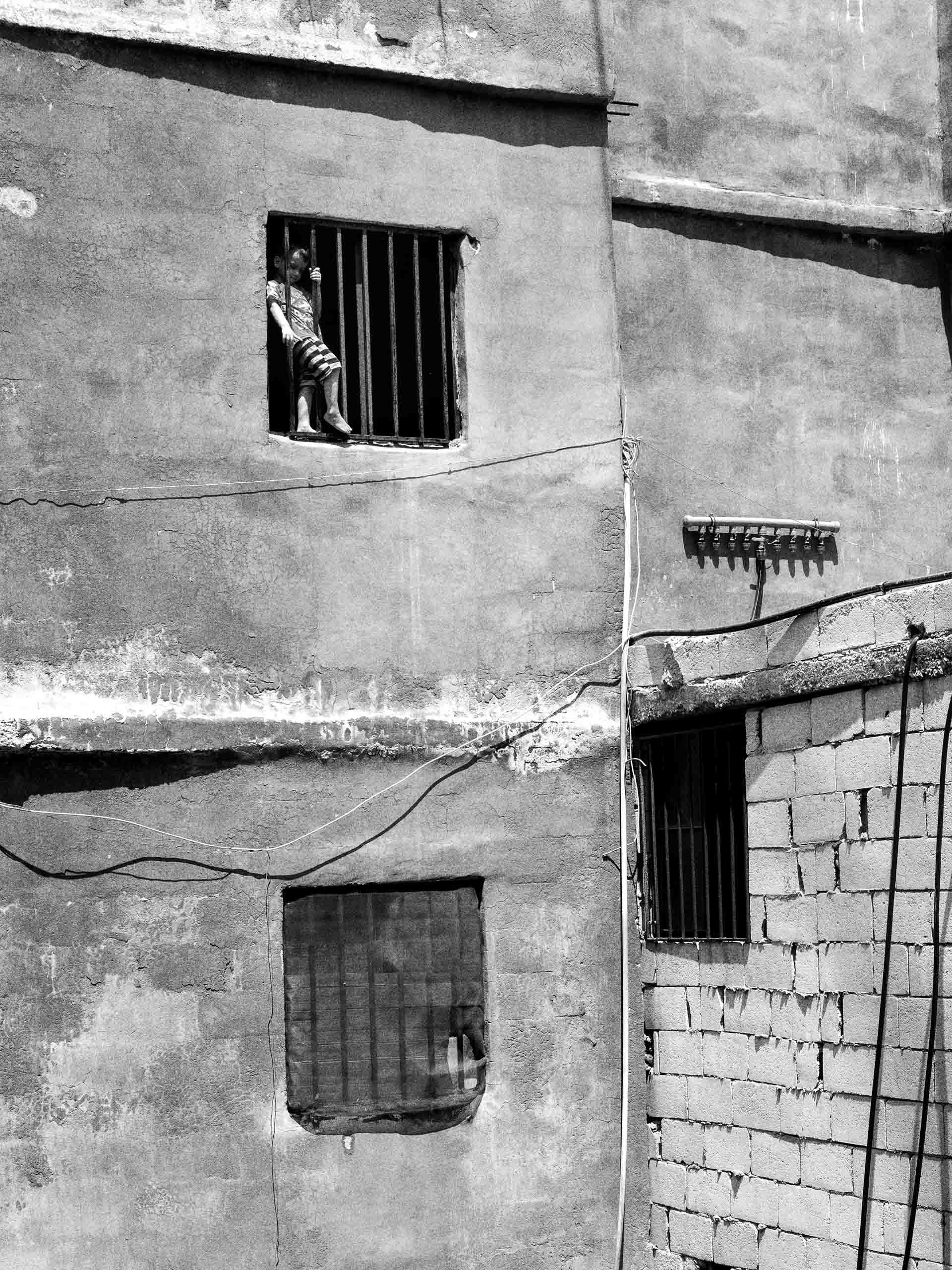
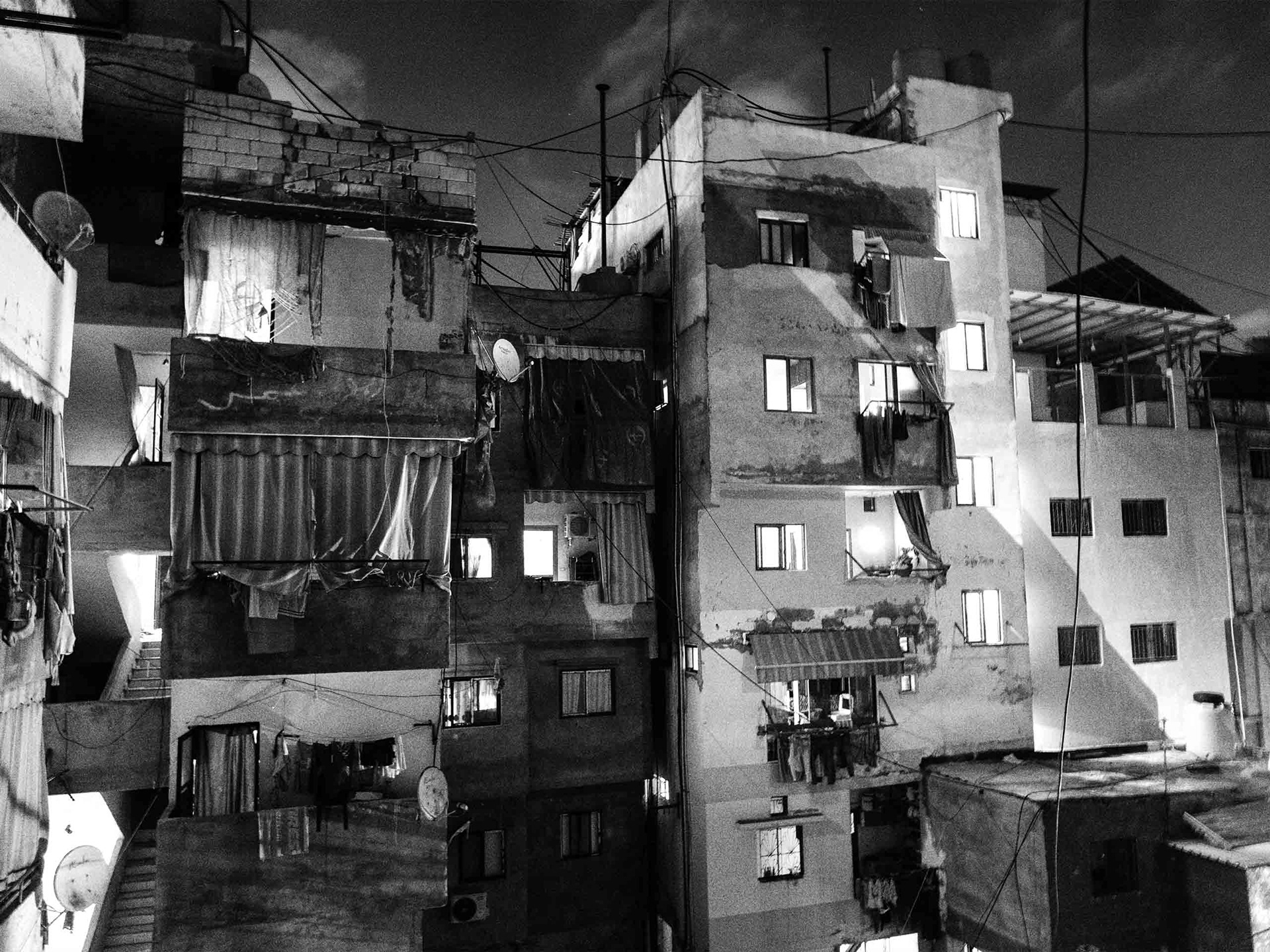
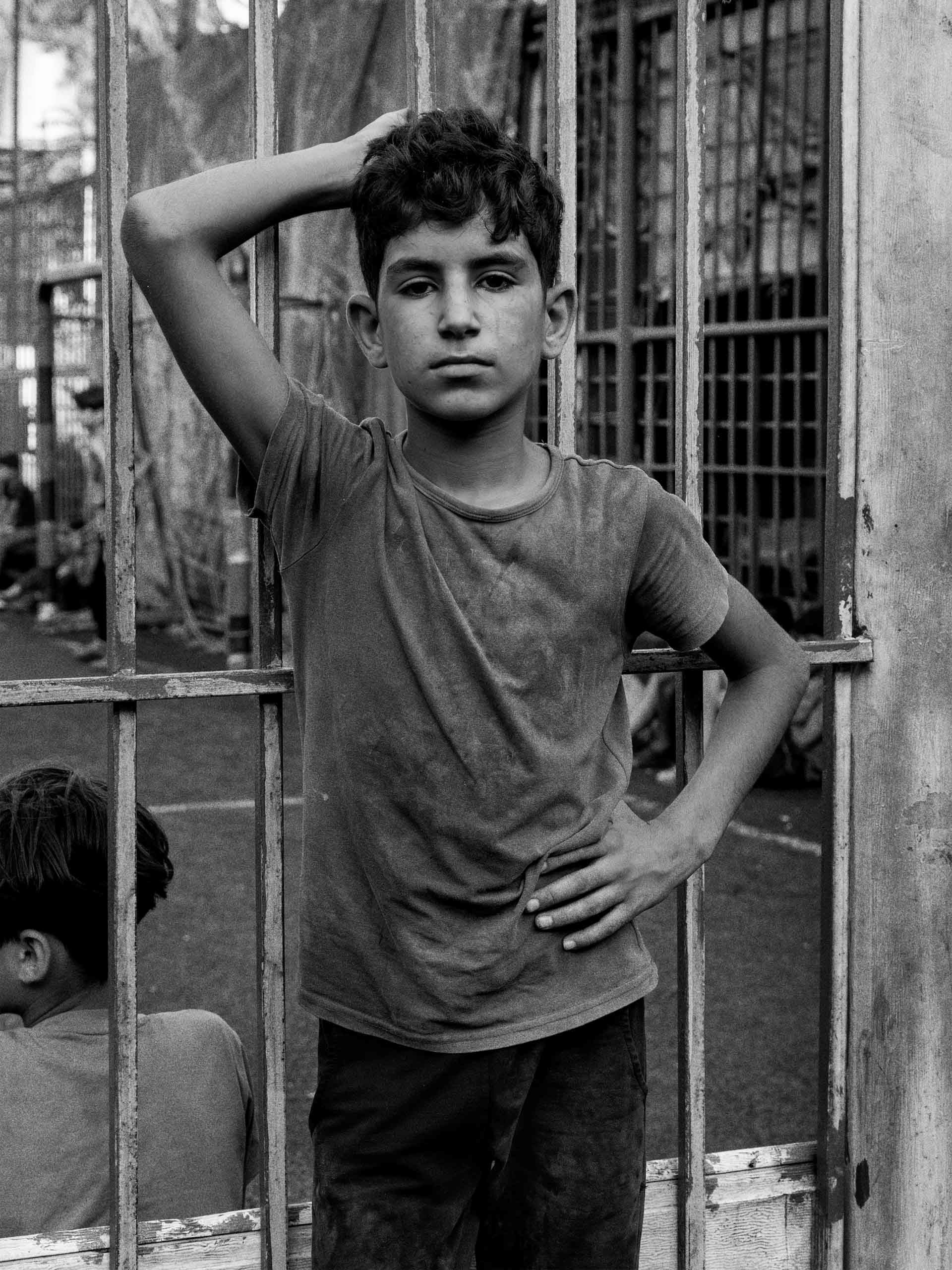
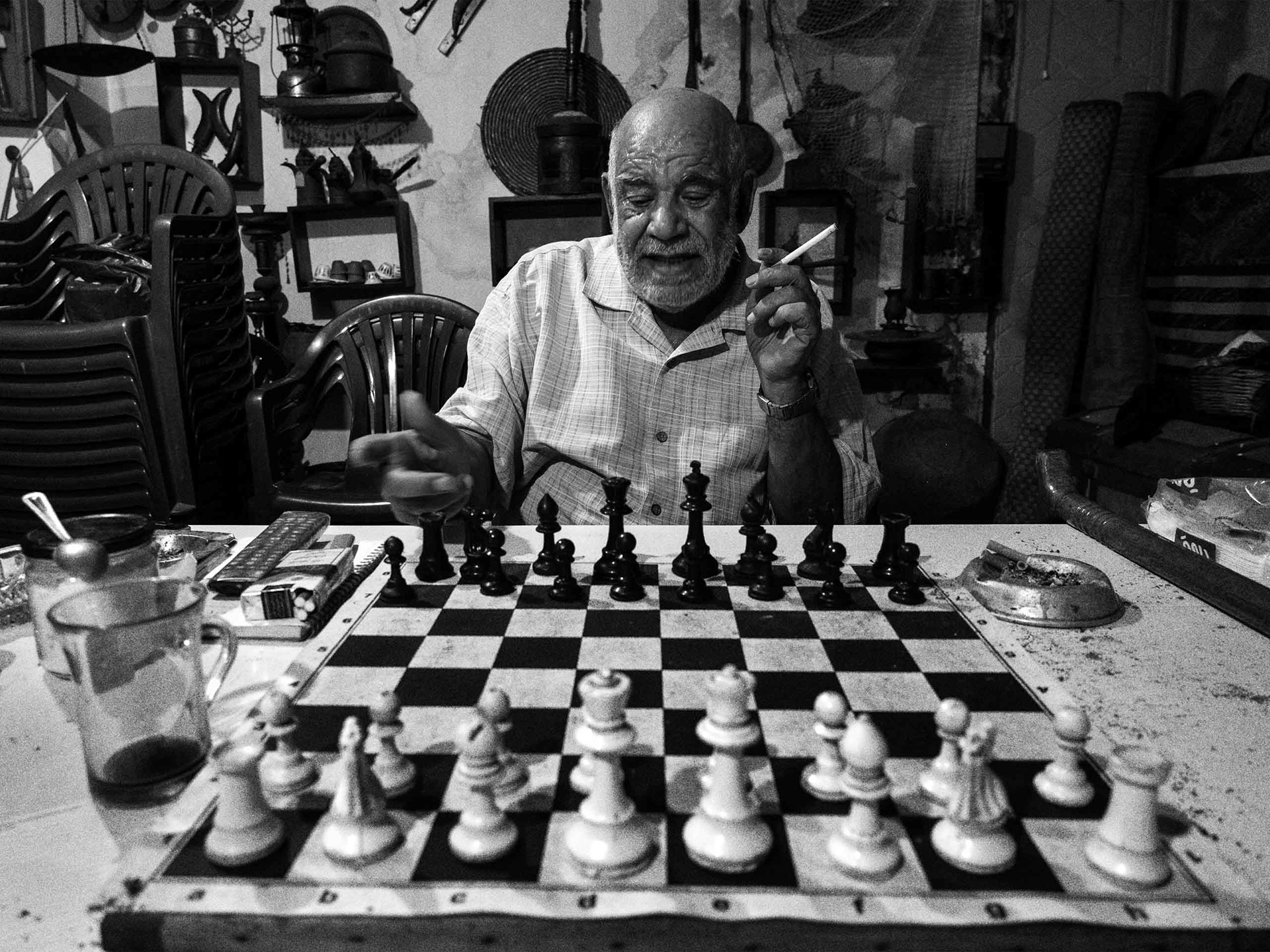
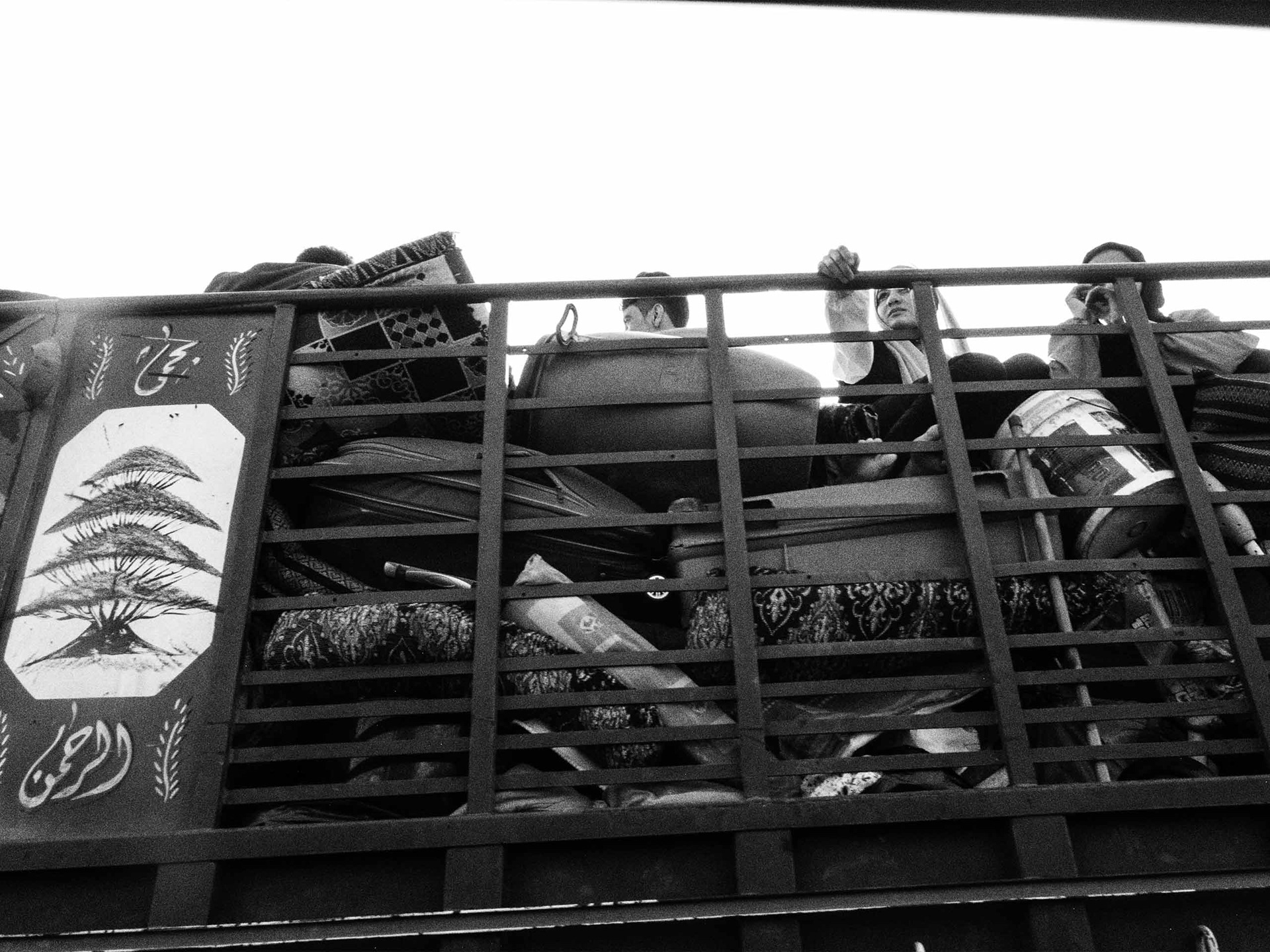
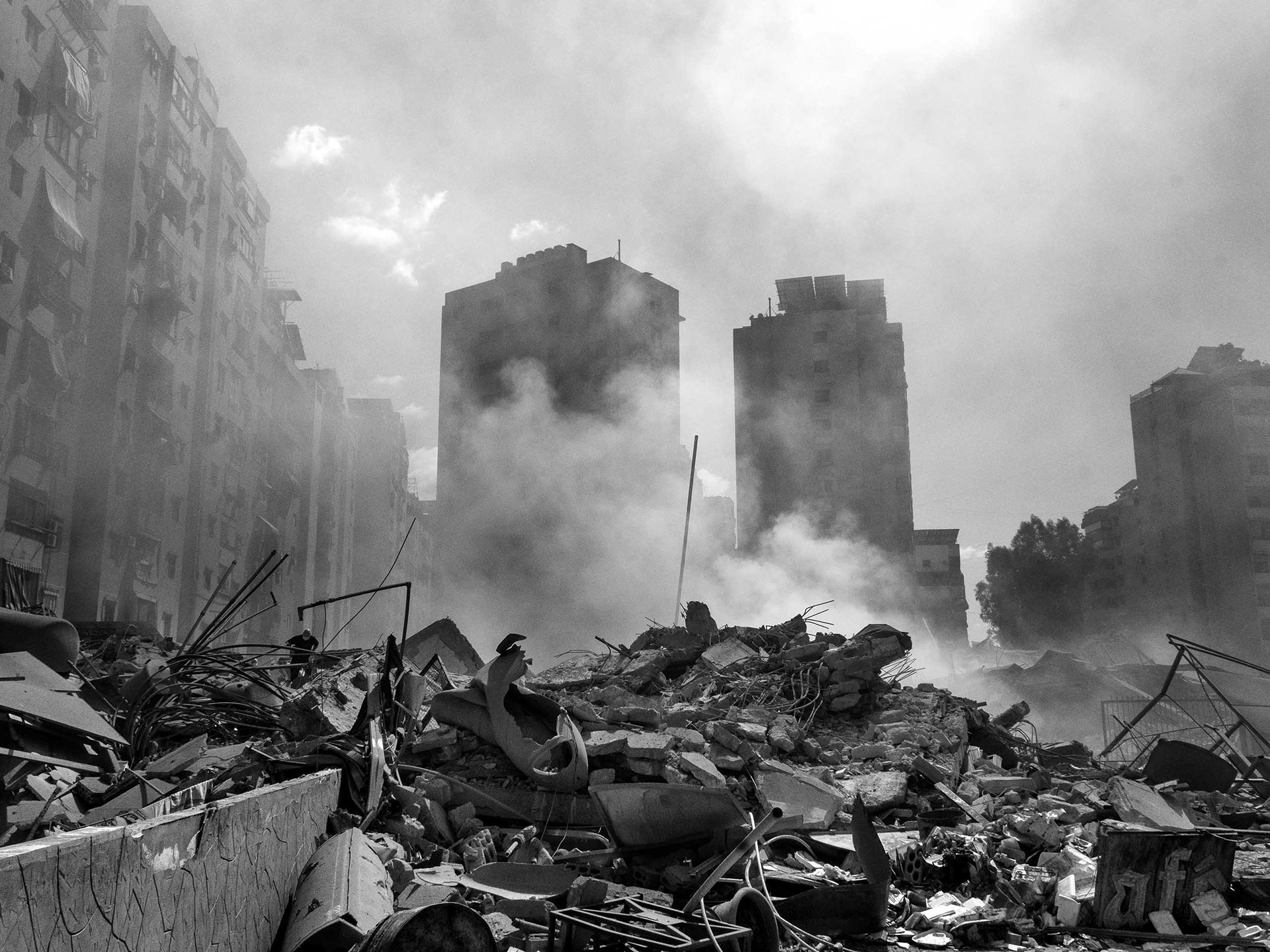
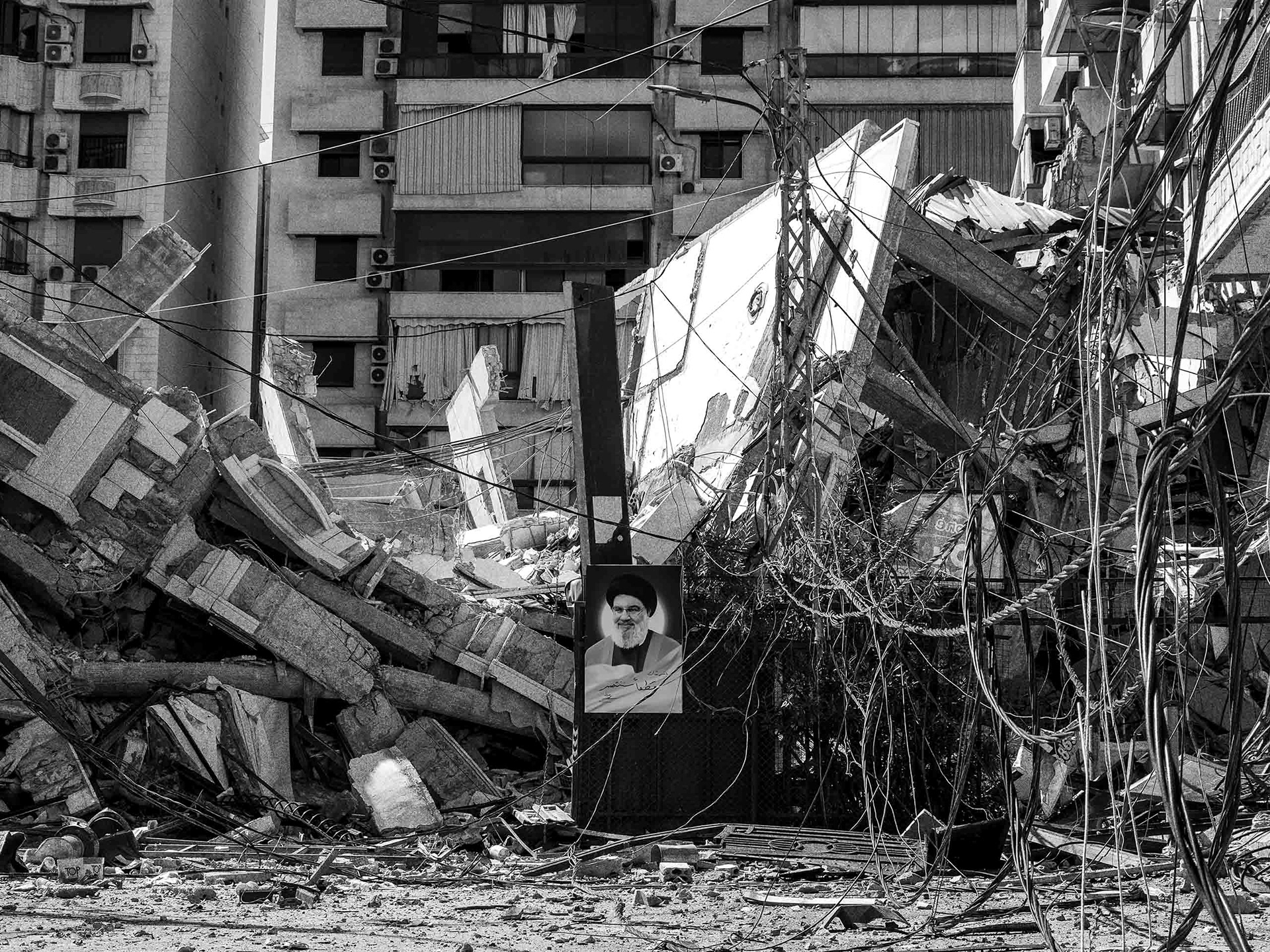
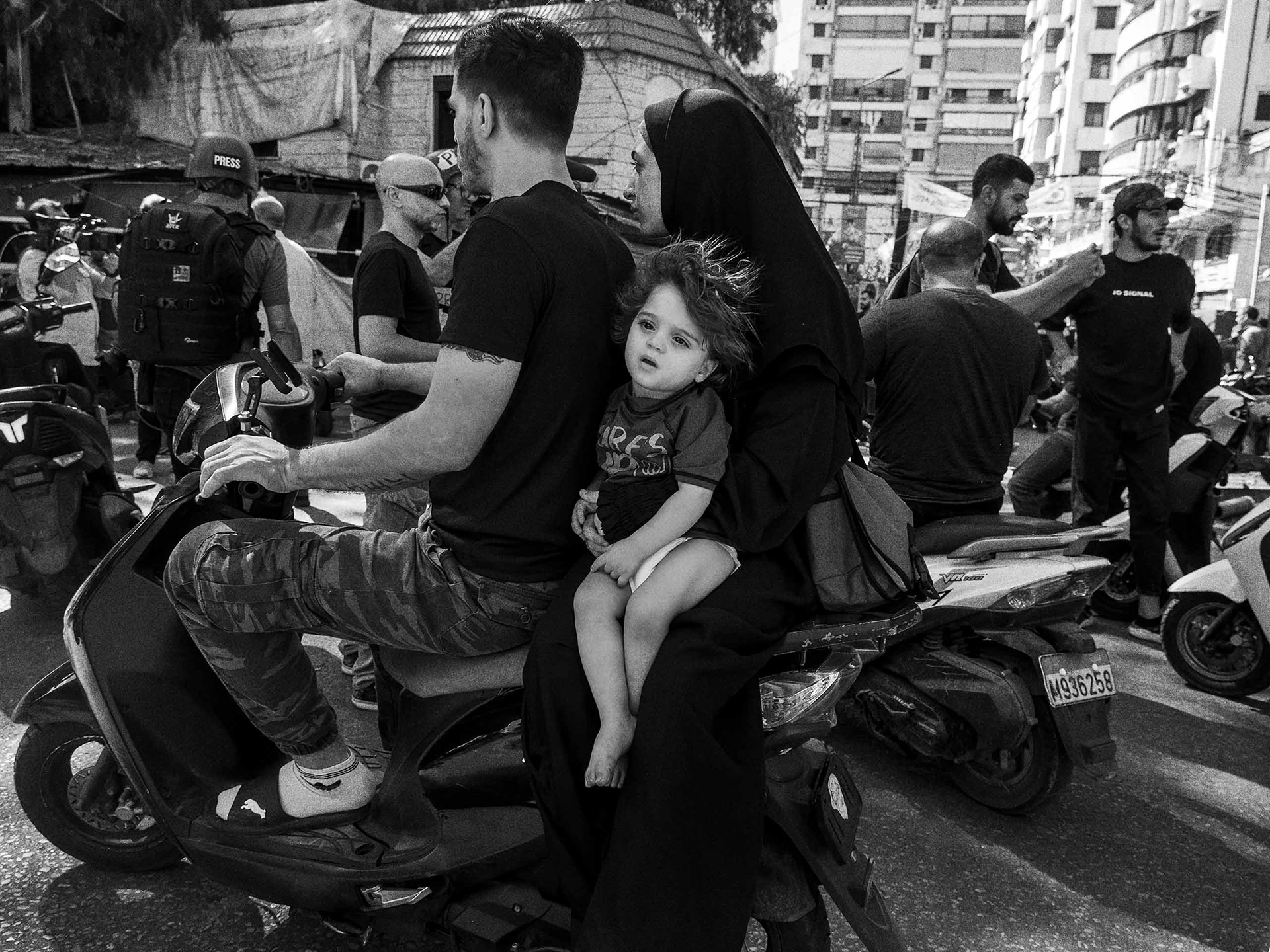
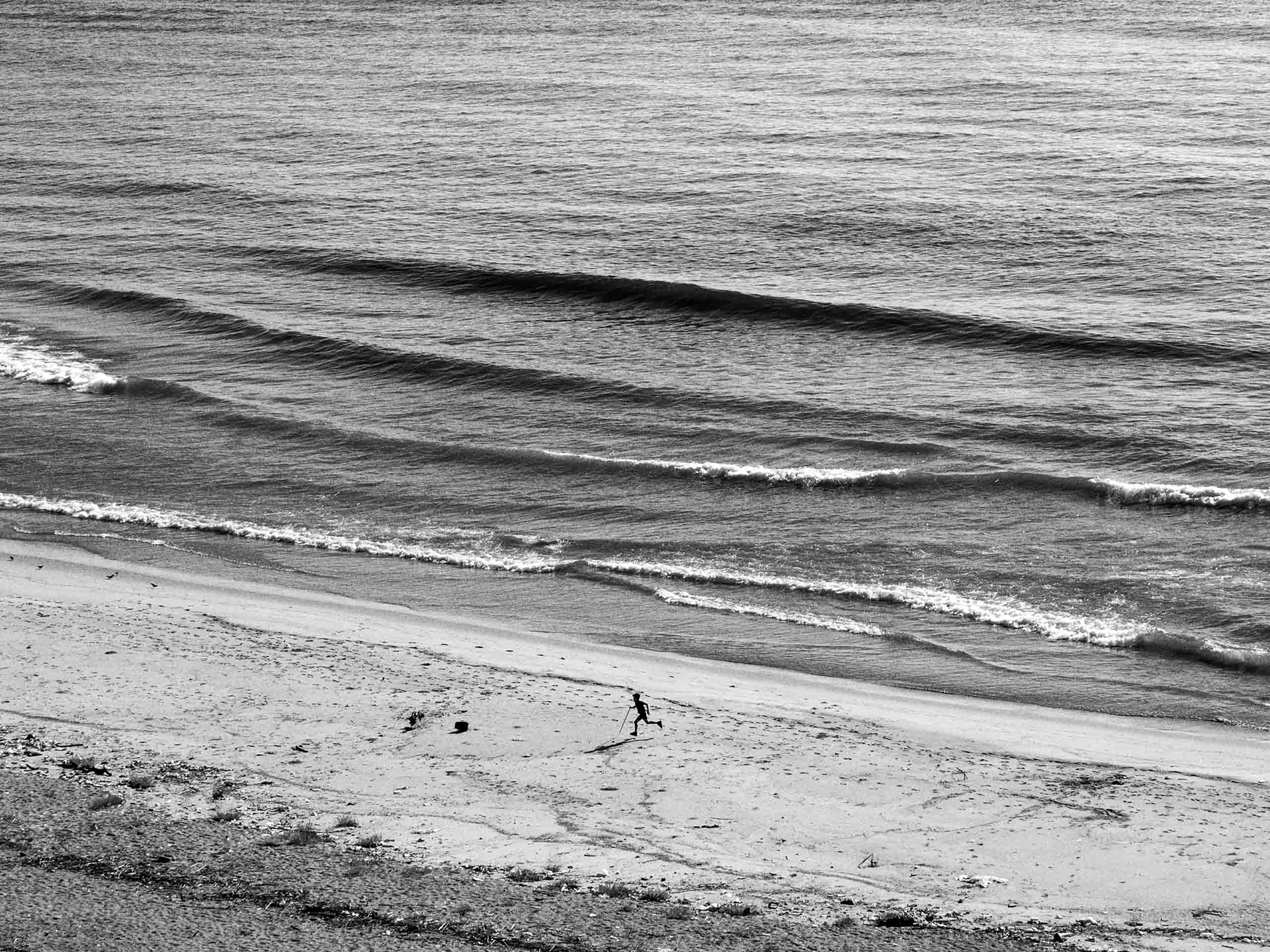
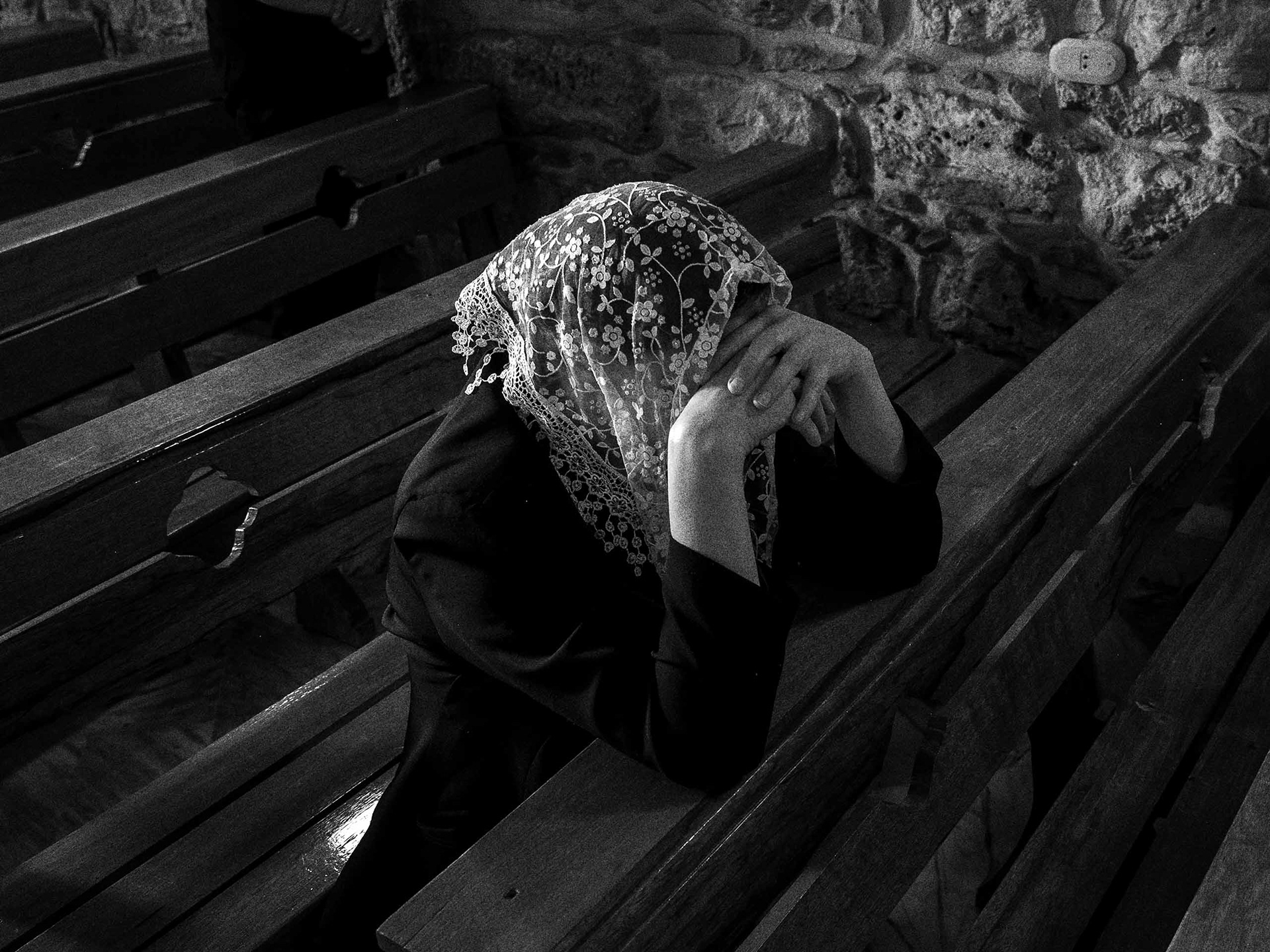
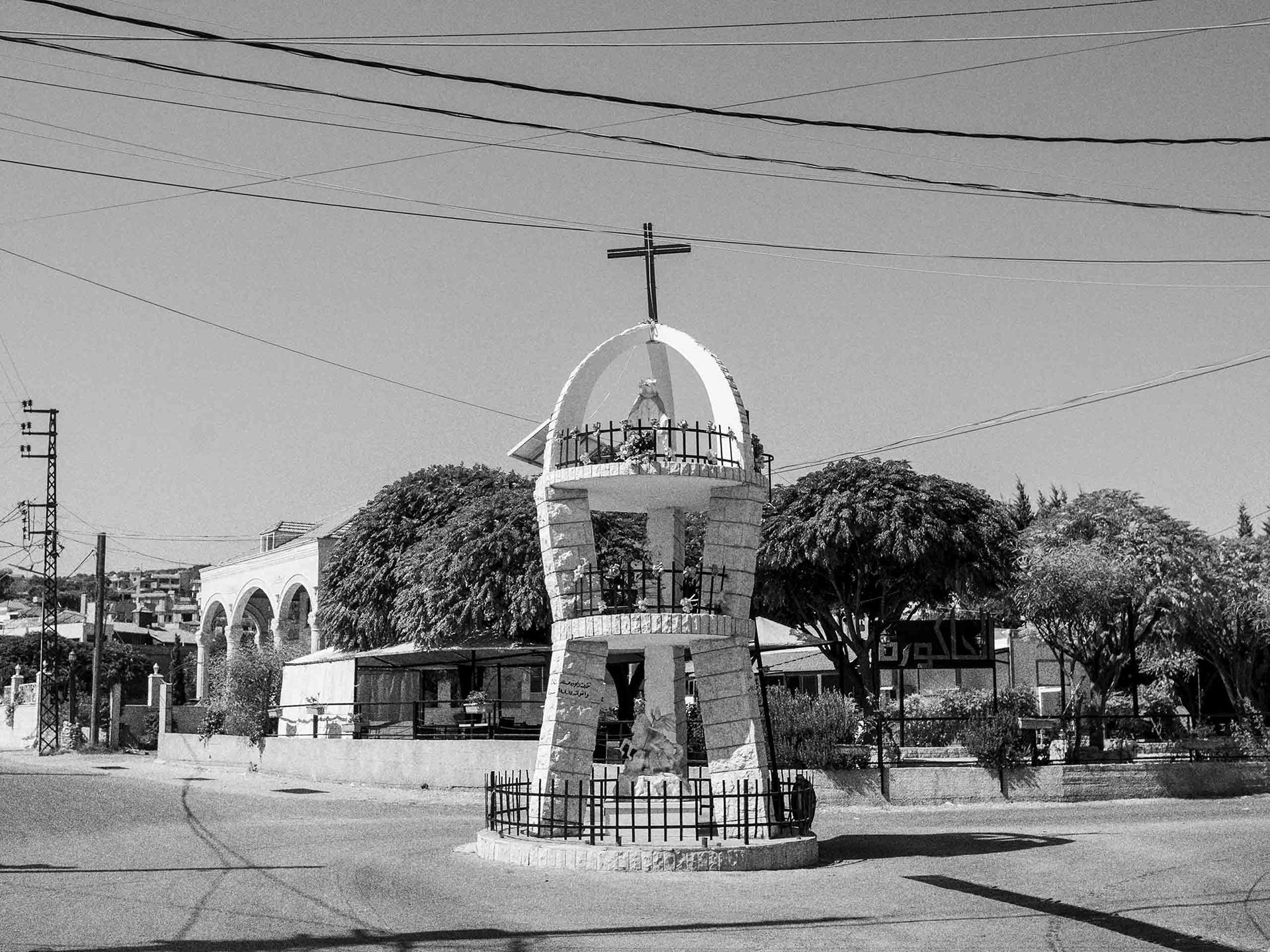
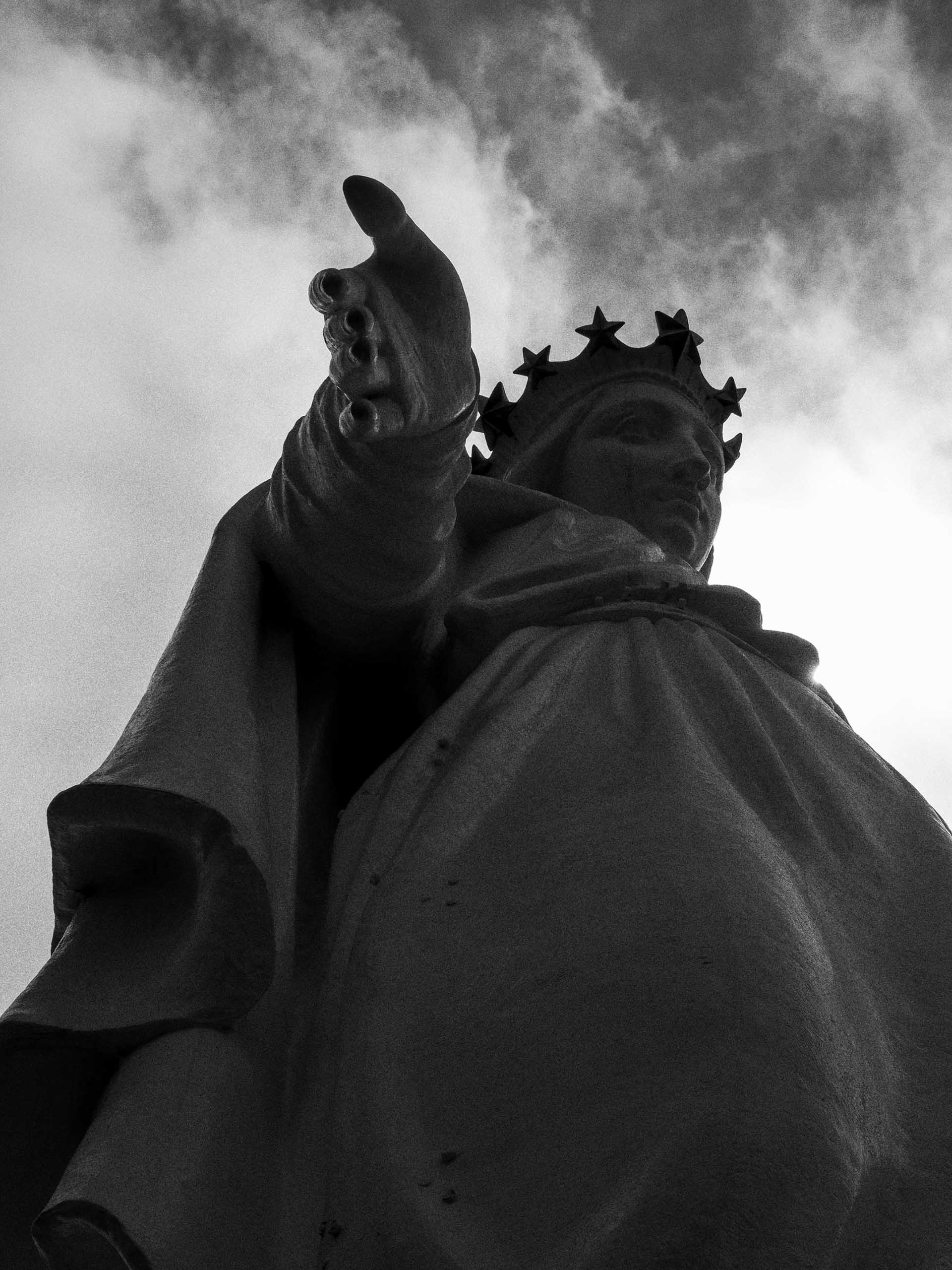
The project was exhibited in the show “Faith and War”, realized in collaboration with the Ambrosianeum Foundation and the Memora collective.
Faith is an unavoidable dimension when approaching war reportage. Since the birth of civilizations, religions have been interpreted, distorted, and sometimes manipulated to justify conflicts, discrimination, and violence. In this sense, “Faith and War” is conceived as a collective project and an open work, exploring the relationships between spirituality, power, and contemporary conflict.
Through the perspectives of photographers Carlo Cozzoli, Alessandro Cimma, Davide Canella, and Marco Cremonesi, the exhibition explores several contemporary conflict scenarios around the world. Armenia, Syria, Lebanon, Myanmar, and Nigeria become both real and symbolic landscapes, places where history, faith, and war continue to overlap within the same space.
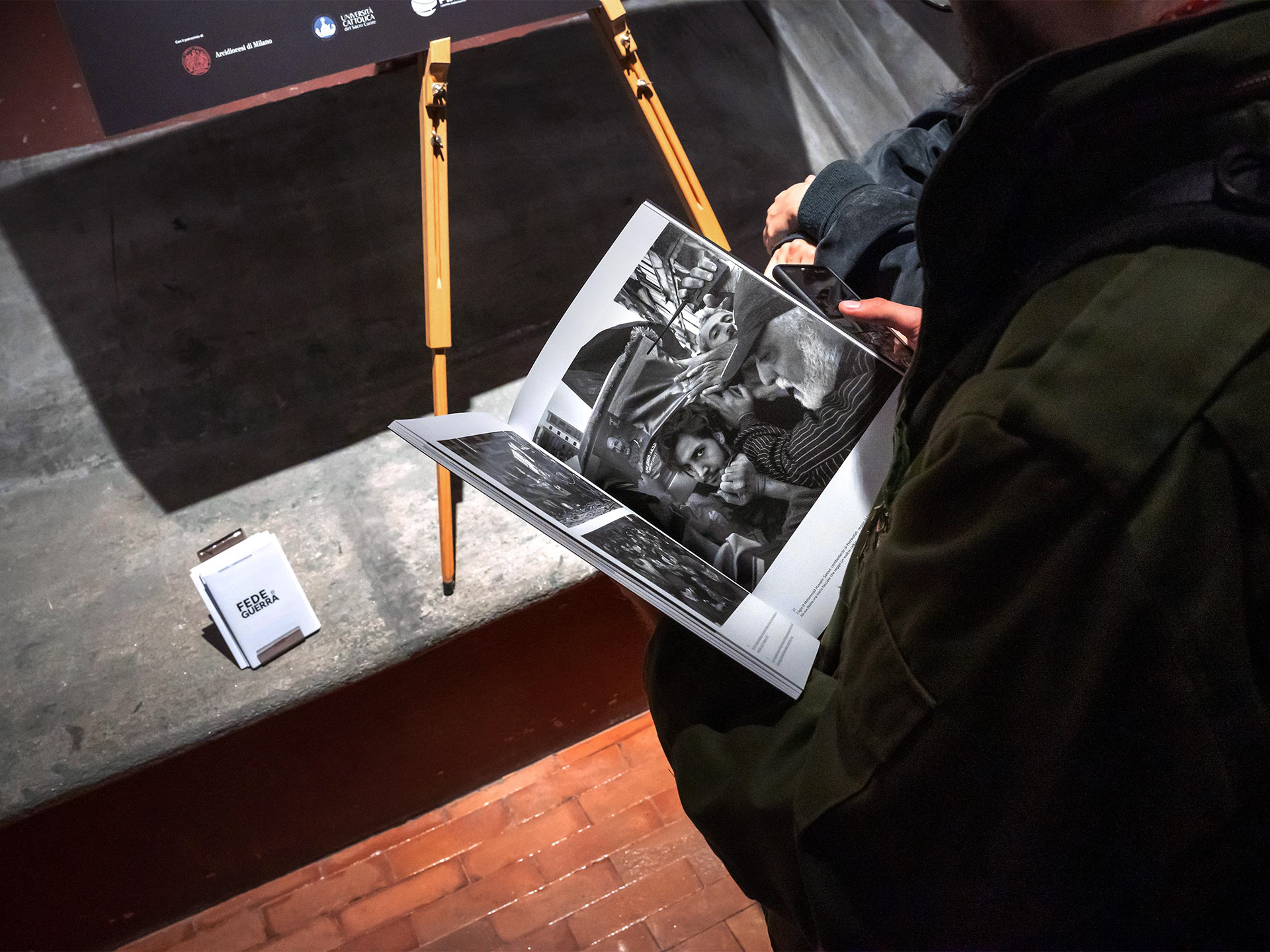
The exhibition also produced a book, as a further attempt to build an open visual and narrative archive of our time.
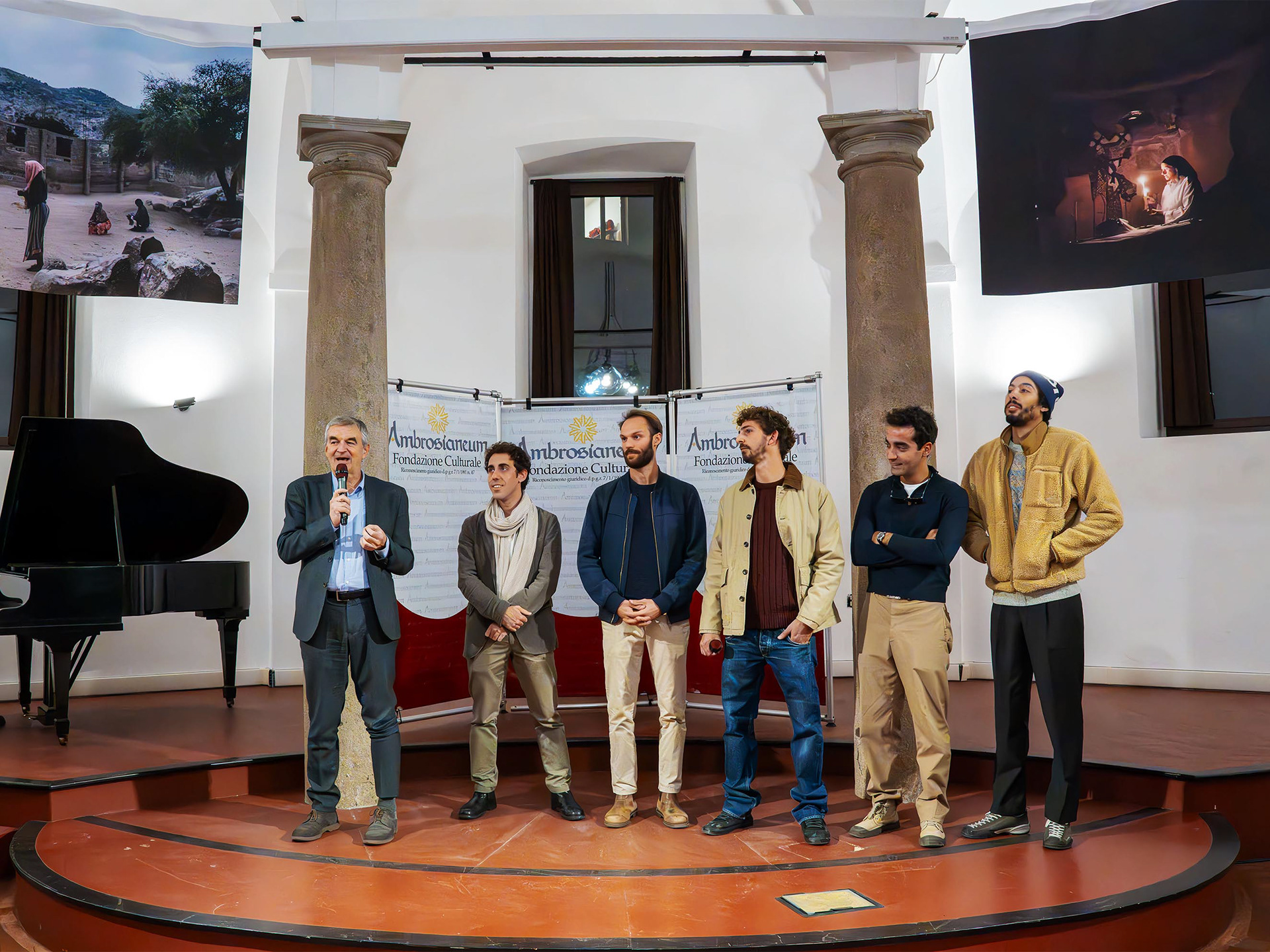
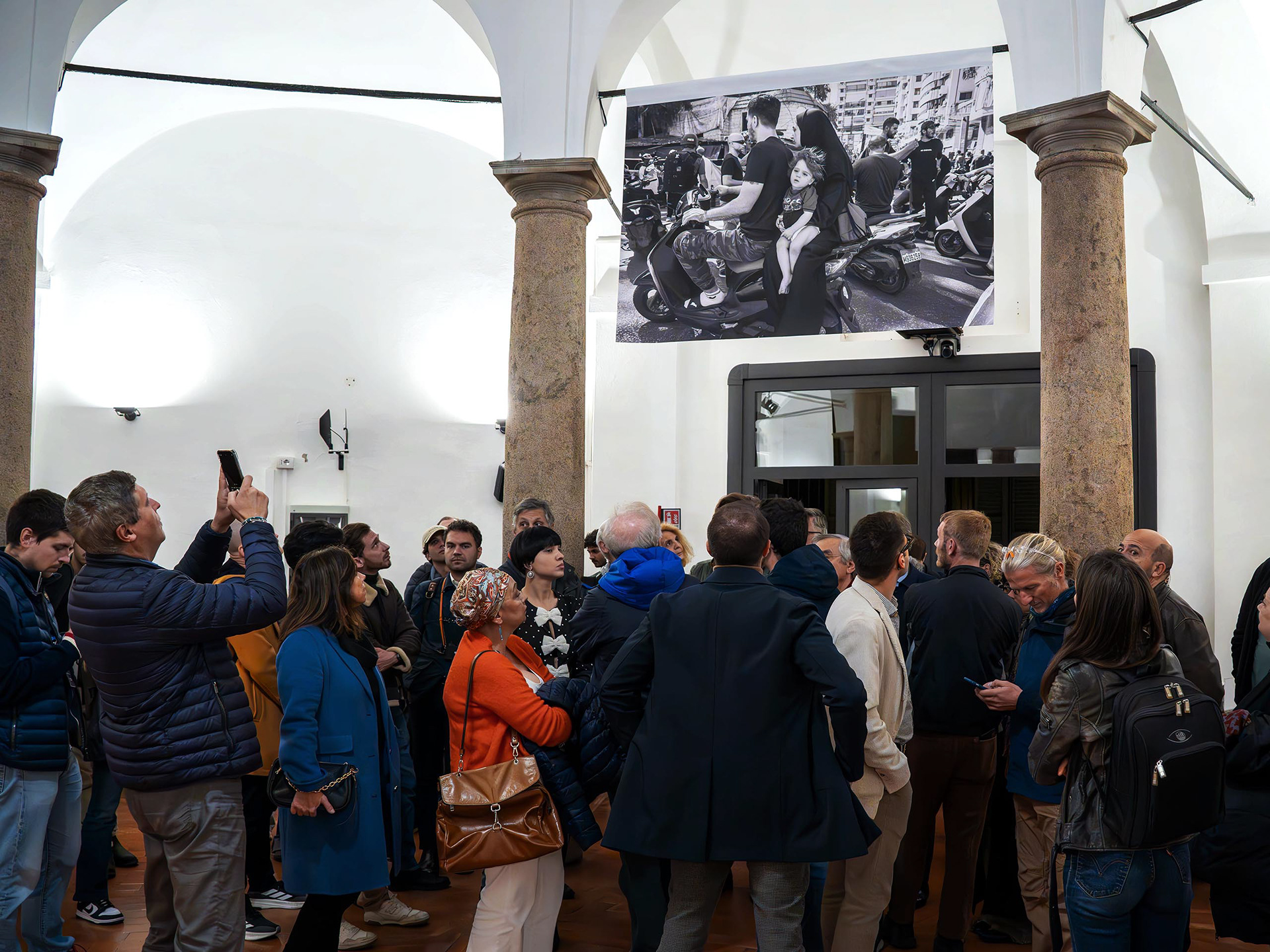
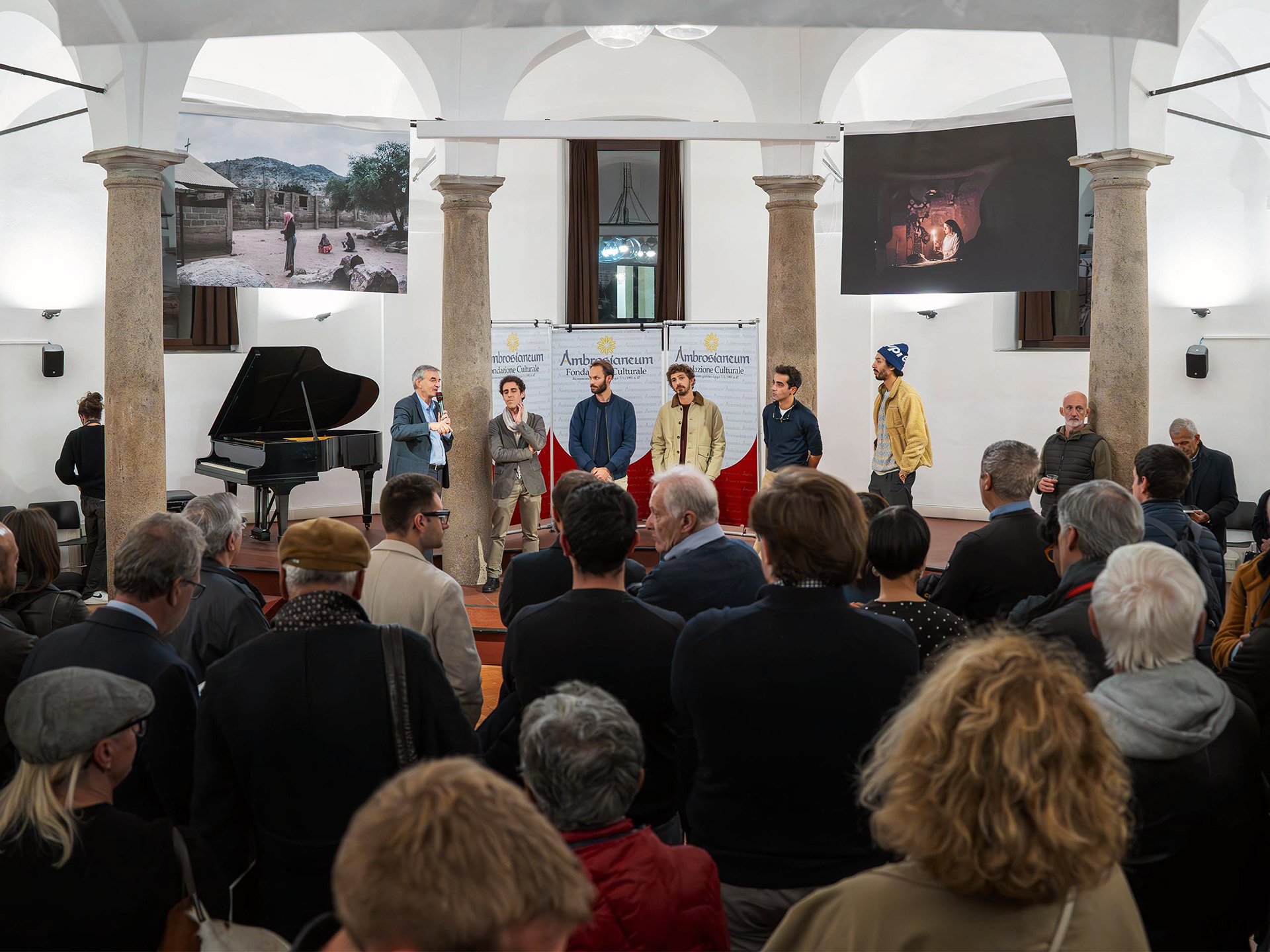
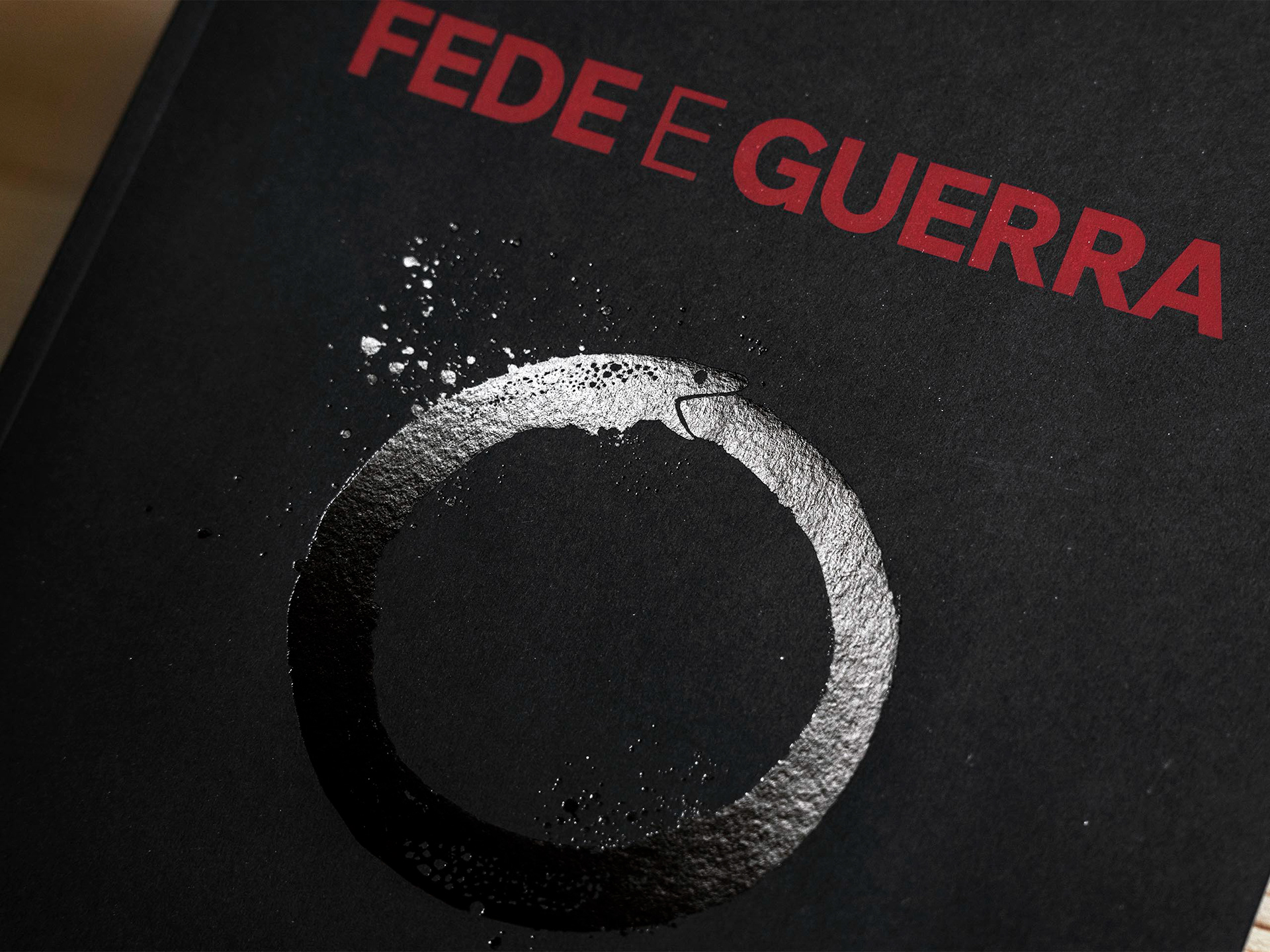
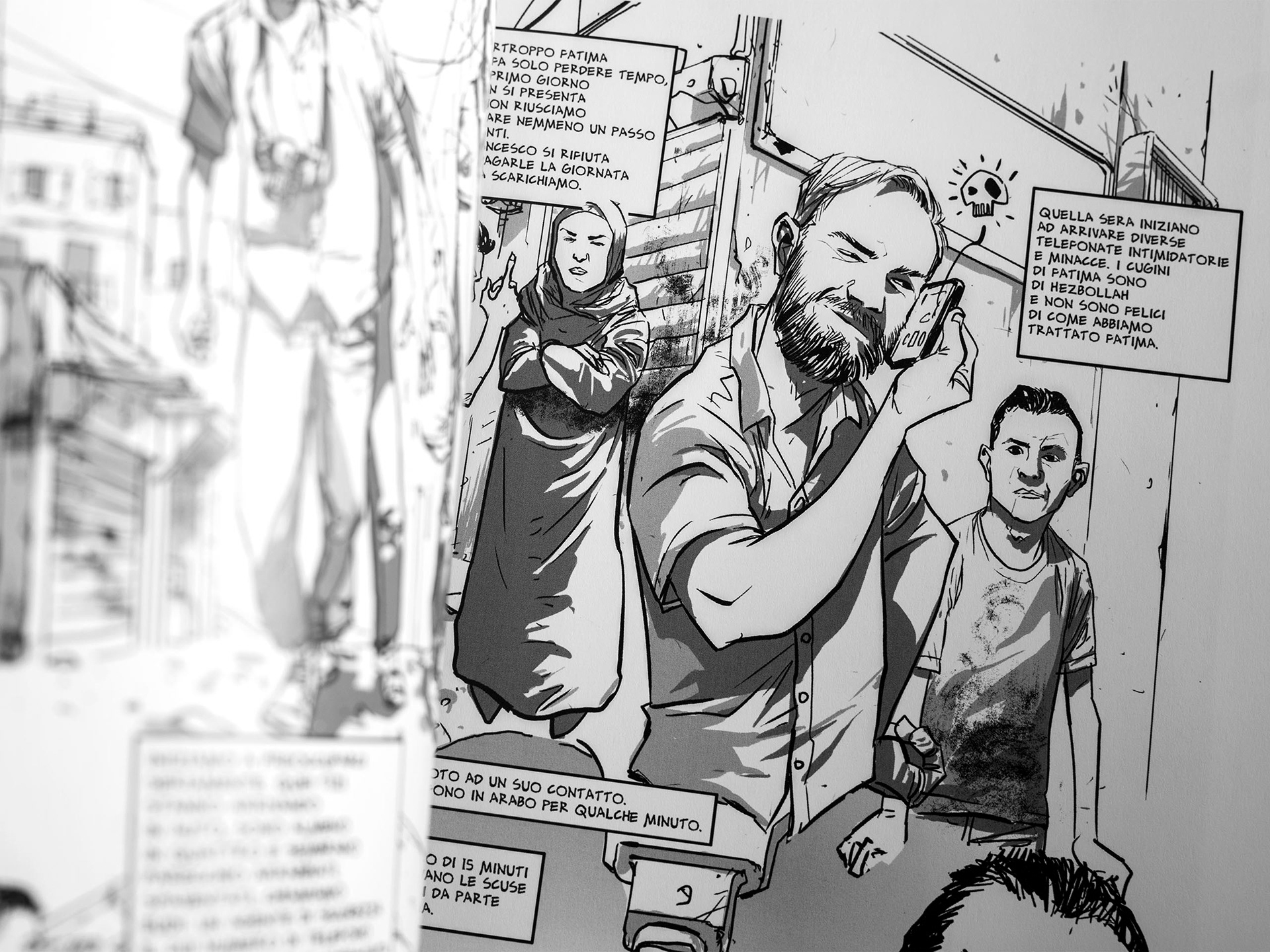
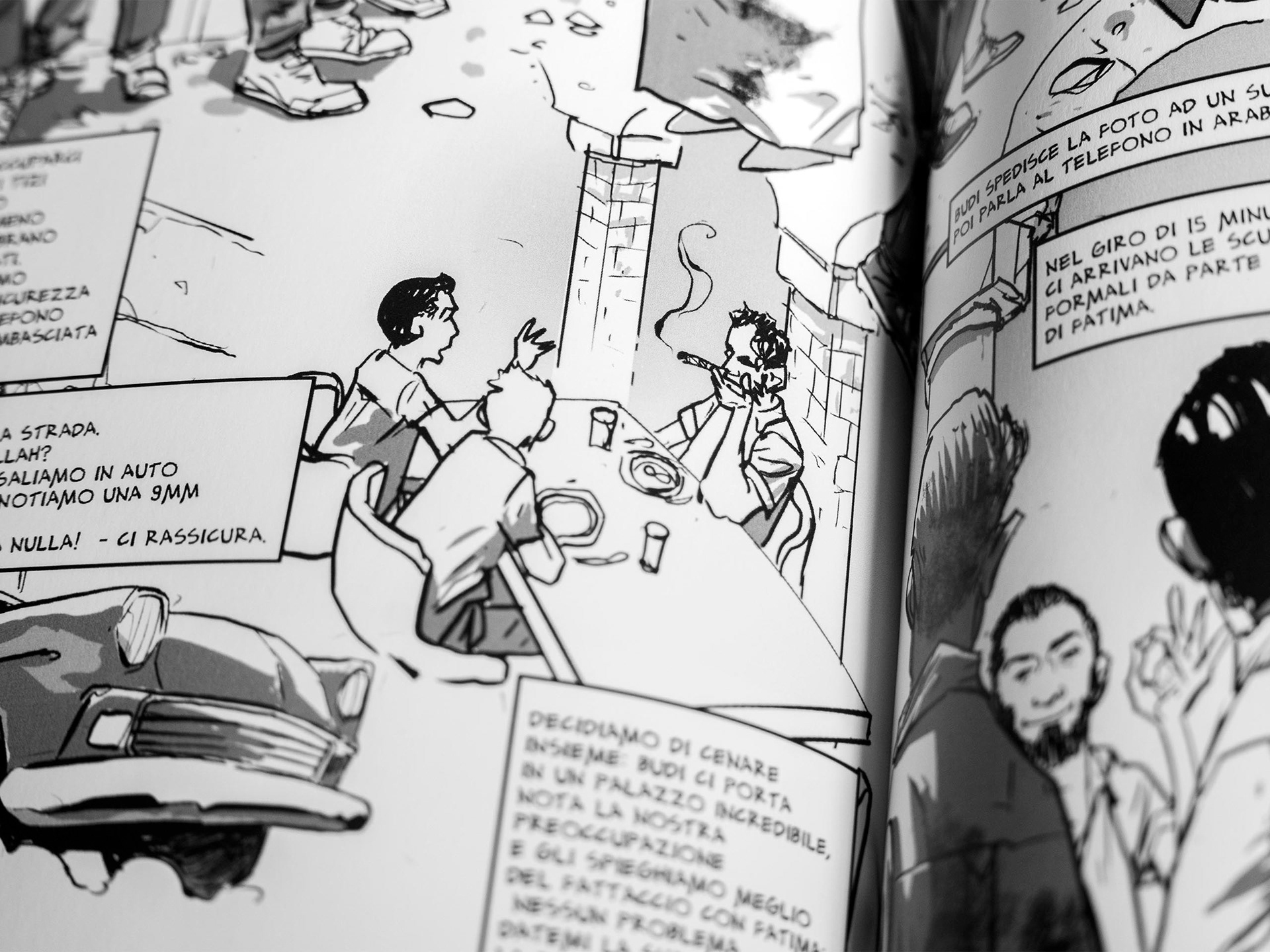
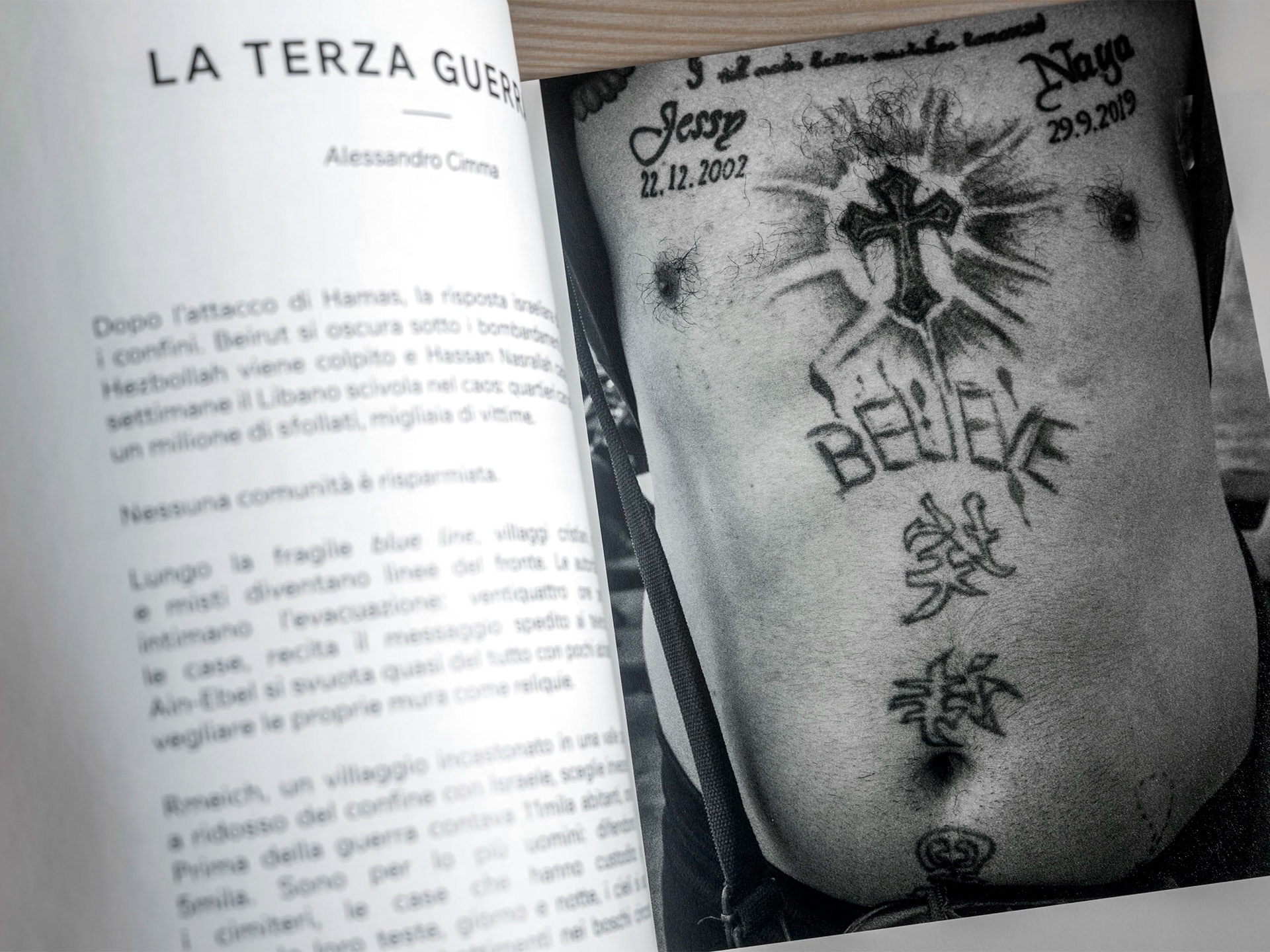
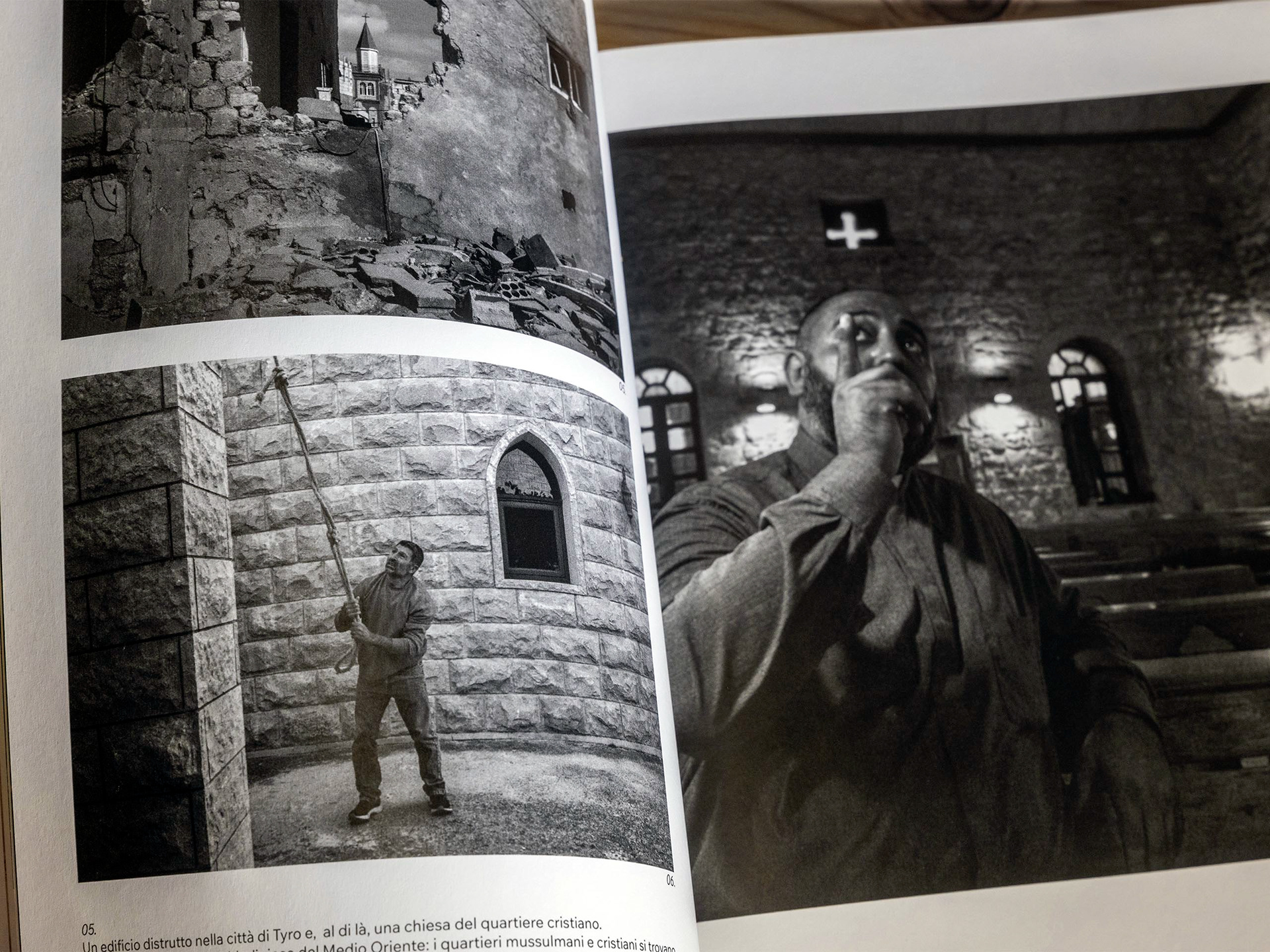
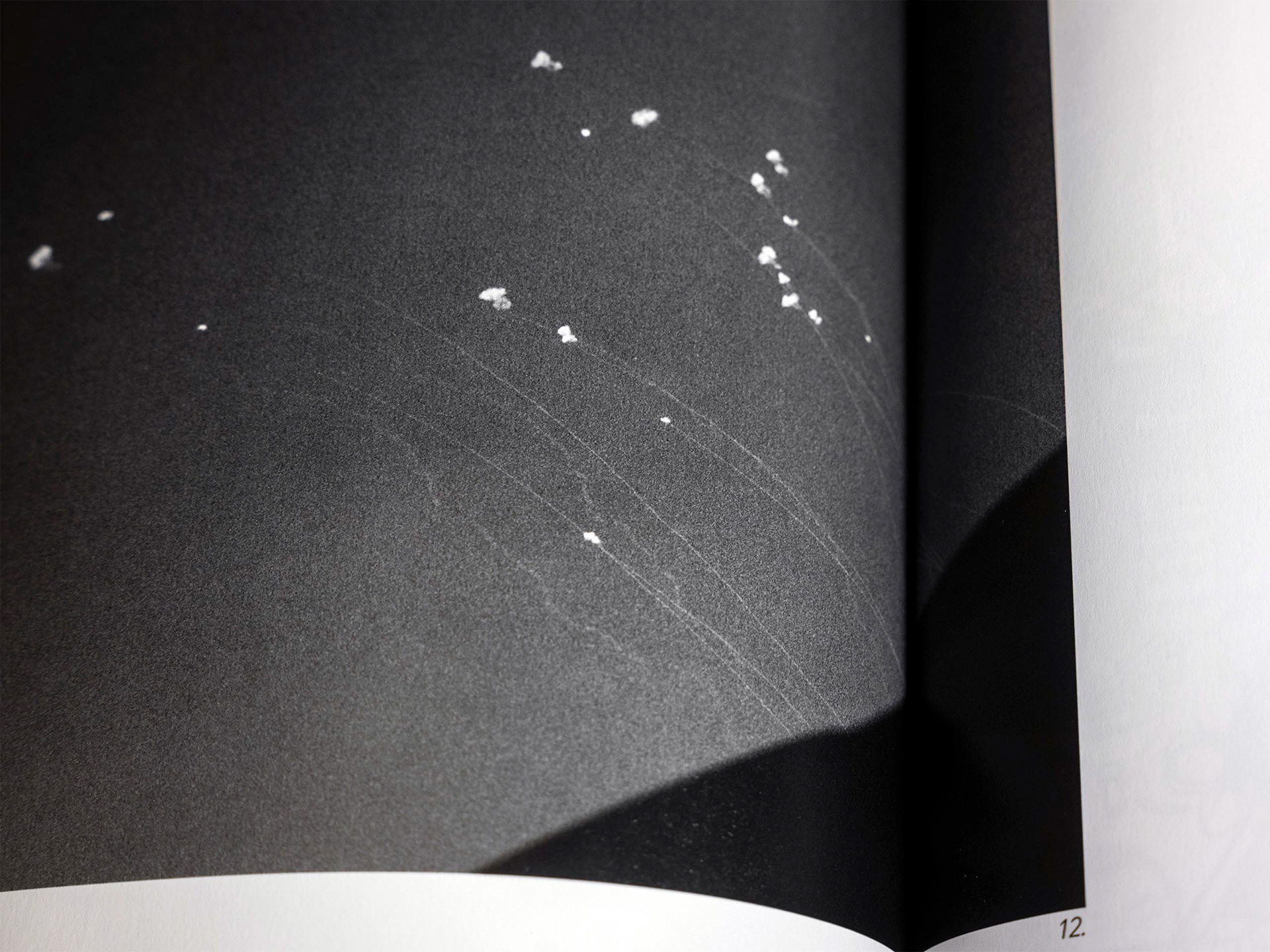
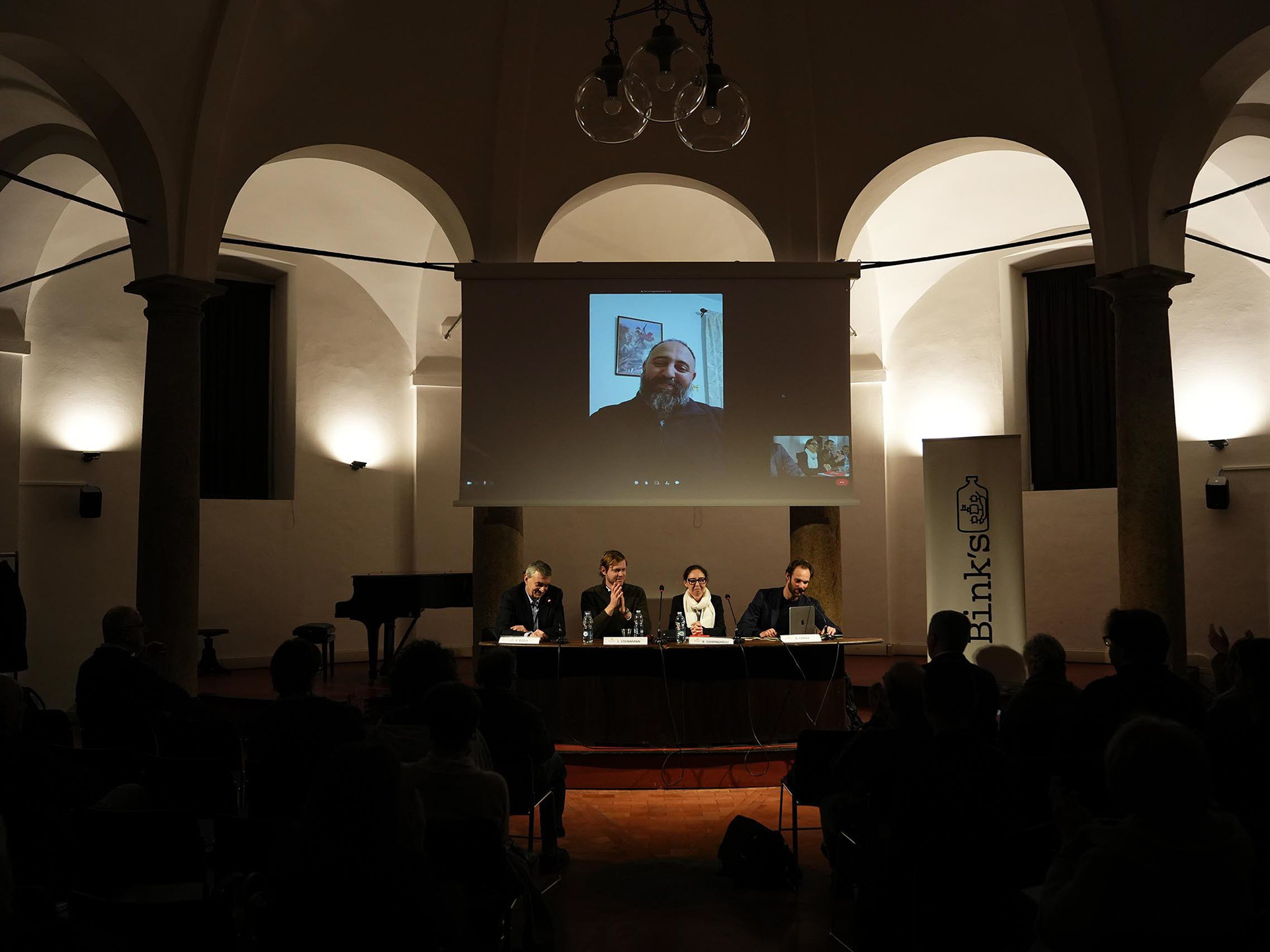
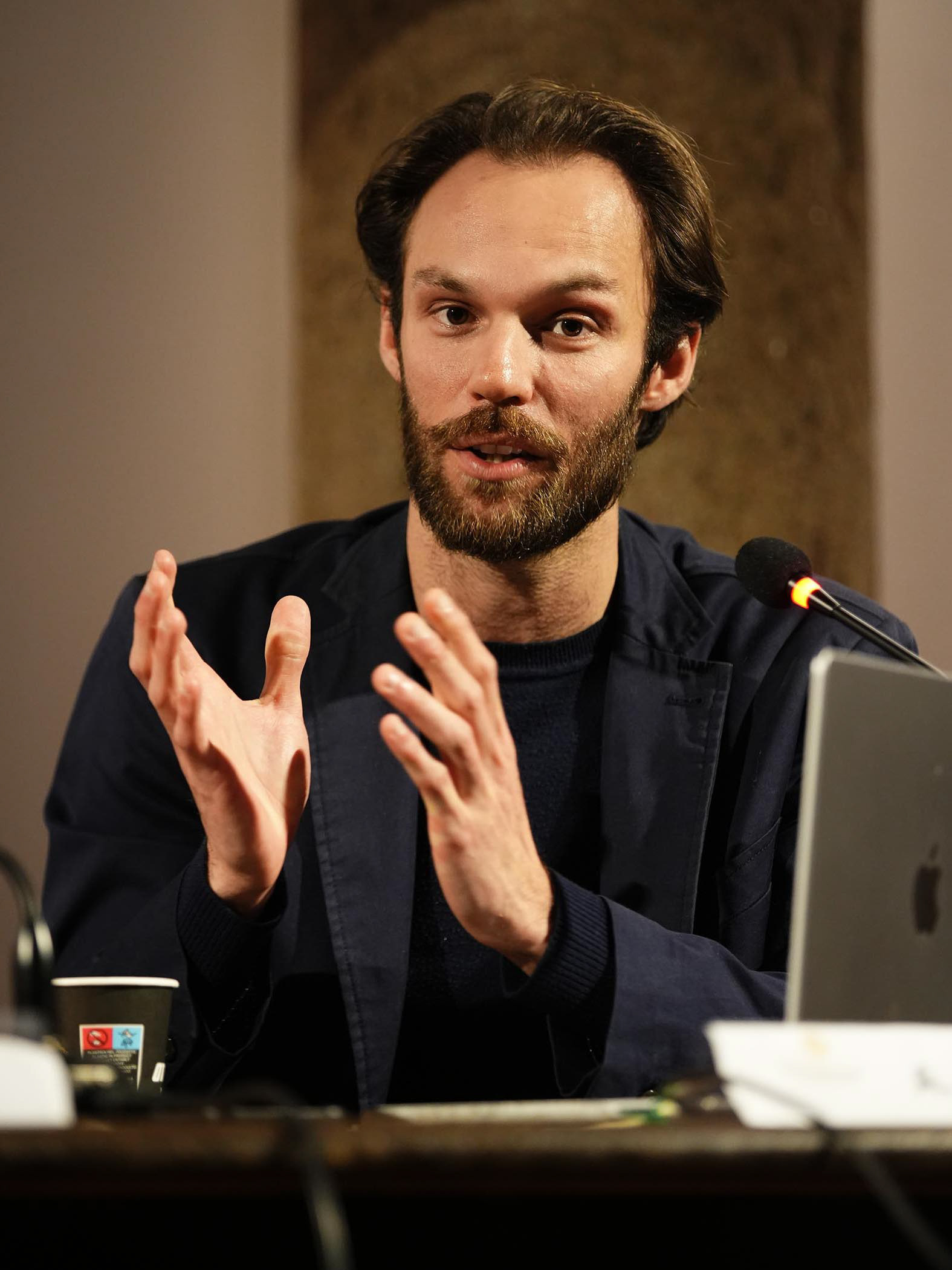
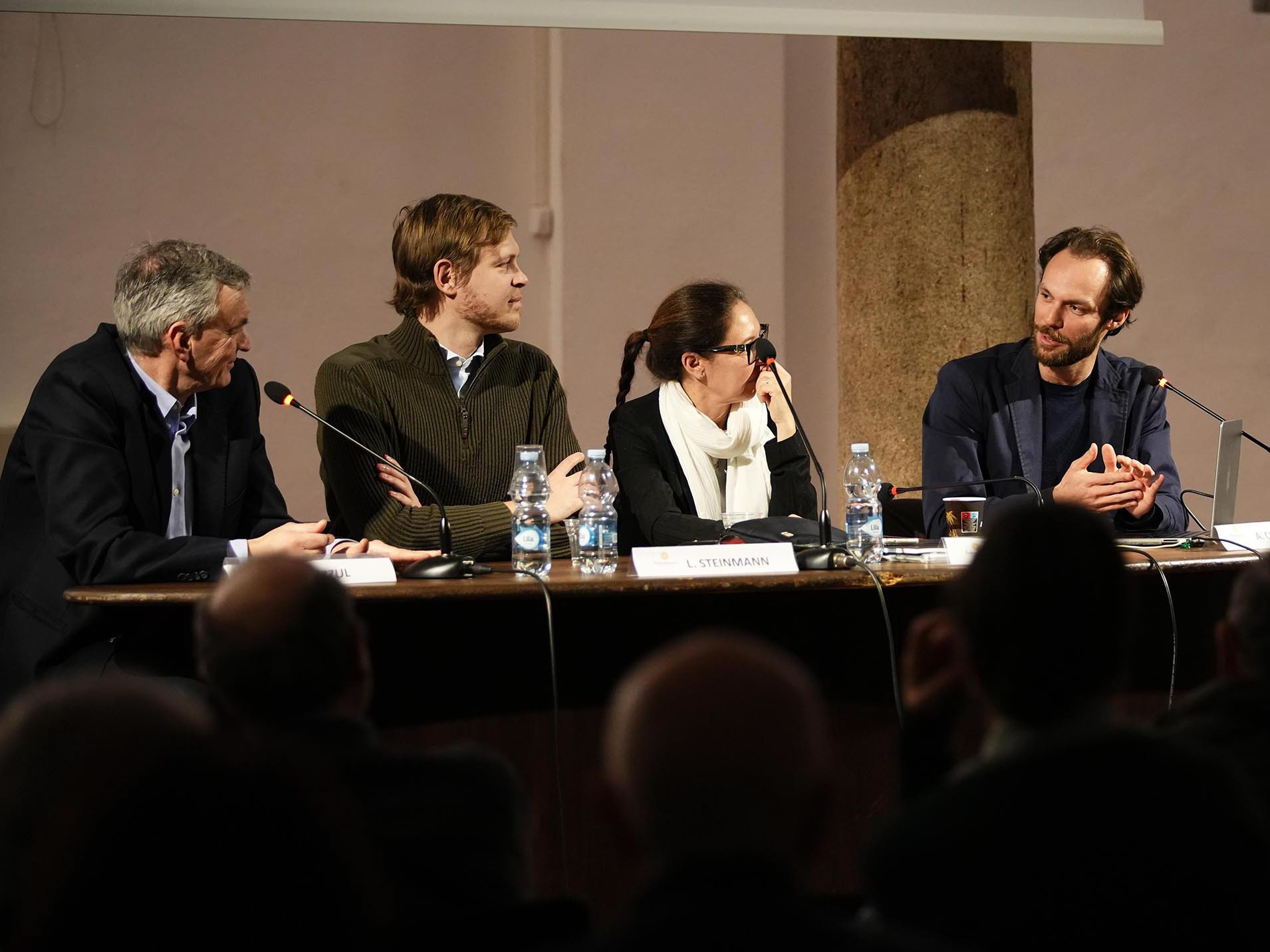
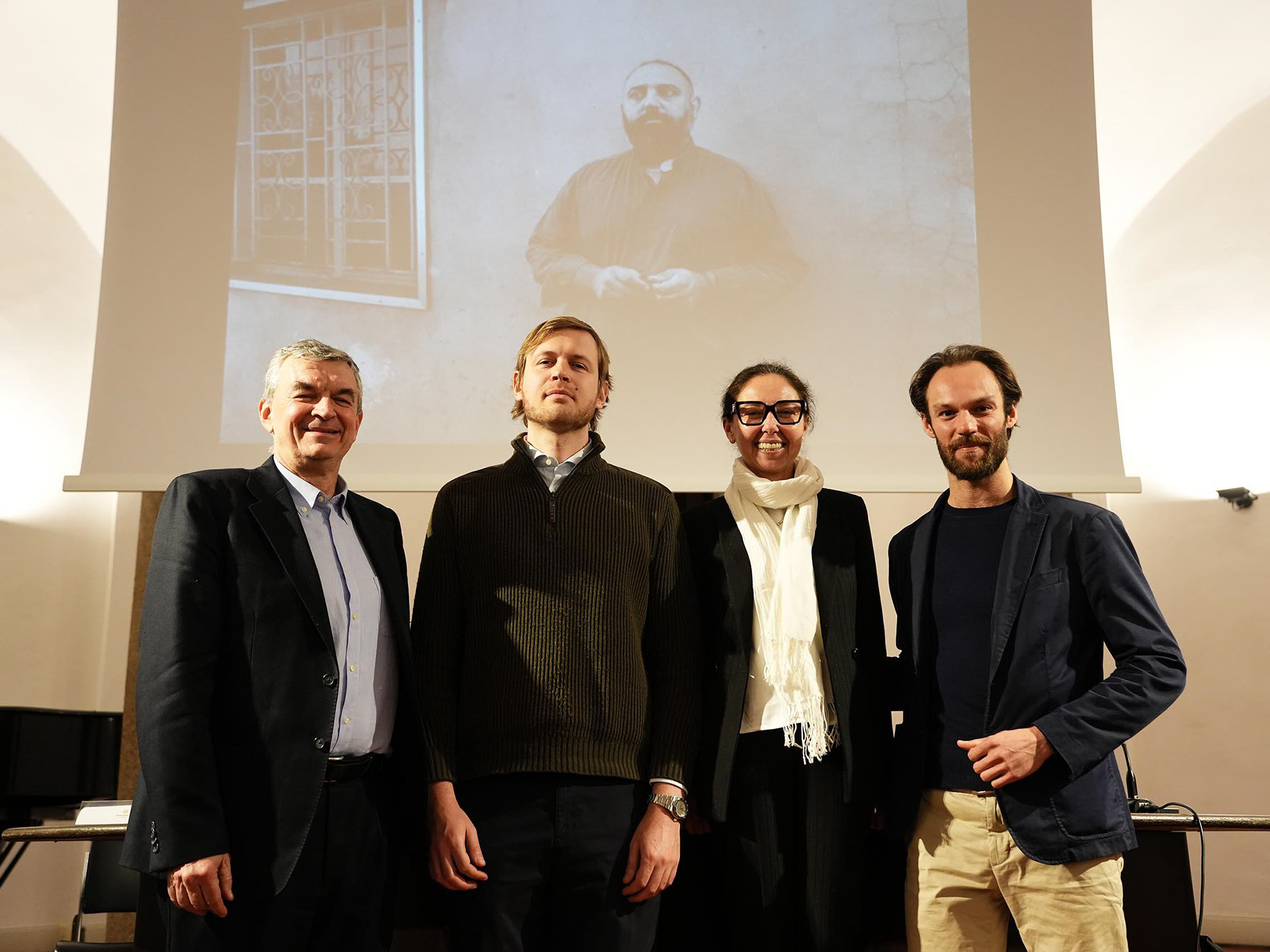
During the exhibition period, a public event was organized for each of the stories presented in the show. The event dedicated to Lebanon, in addition to the author, featured Fabio Pizzul, President of the Ambrosianeum Foundation; Luca Steinmann, war correspondent reporting from Lebanon; Barbara Ghiringhelli, interreligious mediator for the Middle East and university lecturer at IULM University in Milan and Rome; and Father Antony Elias, parish priest of the church in Rmeich, a Christian village on the border between Lebanon and Israel, and one of the protagonists of the reportage.